Panel discusses potential impact of upcoming referendum
Marie Gordon, Jason Kenney, and Keith Wilson debated the feasibility and impact of the 10 questions Albertans will vote on later this month.

 Leah Hennig
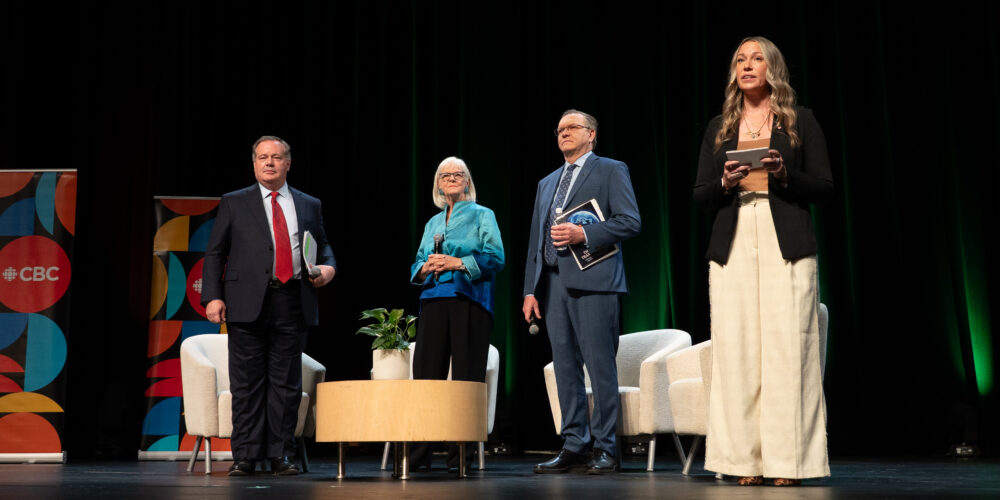
 On October 2, the University of Alberta Students’ Union (UASU), in partnership with CBC, hosted a panel on the upcoming referendum. Albertans will have a chance to vote on 10 questions on October 19. Five questions concern immigration, four concern constitutional changes, and one about Alberta separatism.
Tara McCarthy, host of CBC’s Edmonton AM, moderated the panel. She was joined by former Premier Jason Kenney, former lawyer and former U of A professor Marie Gordon, and lawyer Keith Wilson.
Kenney and Gordon are both advocates for option one of the separation question, which supports Alberta remaining in Canada. Wilson supports the second option, which calls for a second, binding referendum vote to begin the process of Alberta becoming an independent state.
Immigration questions are a blaming exercise, likely not feasible
McCarthy started by asking the panelists what voters should know before casting a vote about the 10 questions.
“There’s only one [question] that can change the future for the students in this room, which is question 10,” Wilson said. He has little faith Alberta will make progress on any of the other nine topics under its current relationship with the federal government.
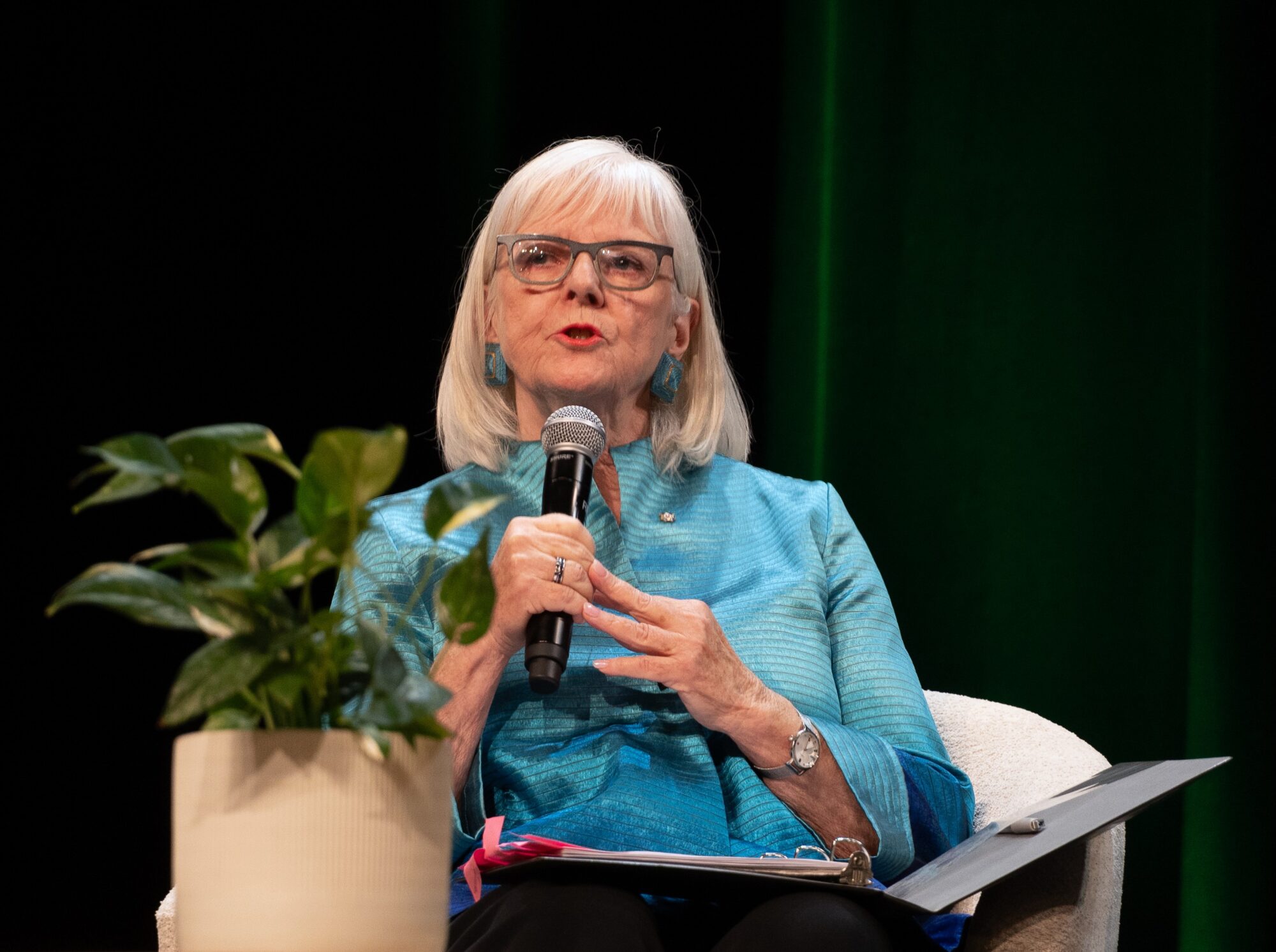
Gordon disagreed, stating that “those first nine questions are absolutely crucial to the people in this room, to students and young people at the University of Alberta, and out in Alberta society.”
She feels confident that Albertans will vote to remain in Canada, but is concerned that half of the questions target immigrants. The constitutional questions are “very interesting blaming exercises.
Gordon later said the questions attempt to blame newcomers for the issues within health care, education, and social services.
“I can’t stand the idea of international students being refused health care or having to come up with $1,900,” Gordon said.
One of the questions asked if temporary residents should have to pay to access health care and other social services. Premier Danielle Smith floated a fee of $1,900 to access health care.
Kenney added that the feasibility of Alberta further controlling immigration is unlikely. “They stamp you in as a permanent resident, or for that matter, a temporary resident, you have mobility rights,” he said. “As a Canadian province, [Alberta] does not have border controls.”
He said that as immigration minister for the Stephen Harper government, Alberta was consistently requesting more temporary workers through the provincial nominee program.
Voting to hold second vote on separation is the only path to “adult discussions,” Wilson says
As for the questions about co-operating with other provinces to advance constitutional amendments, Kenney said that he attempted to do the same as premier. He found little success, despite good relationships with other provinces.
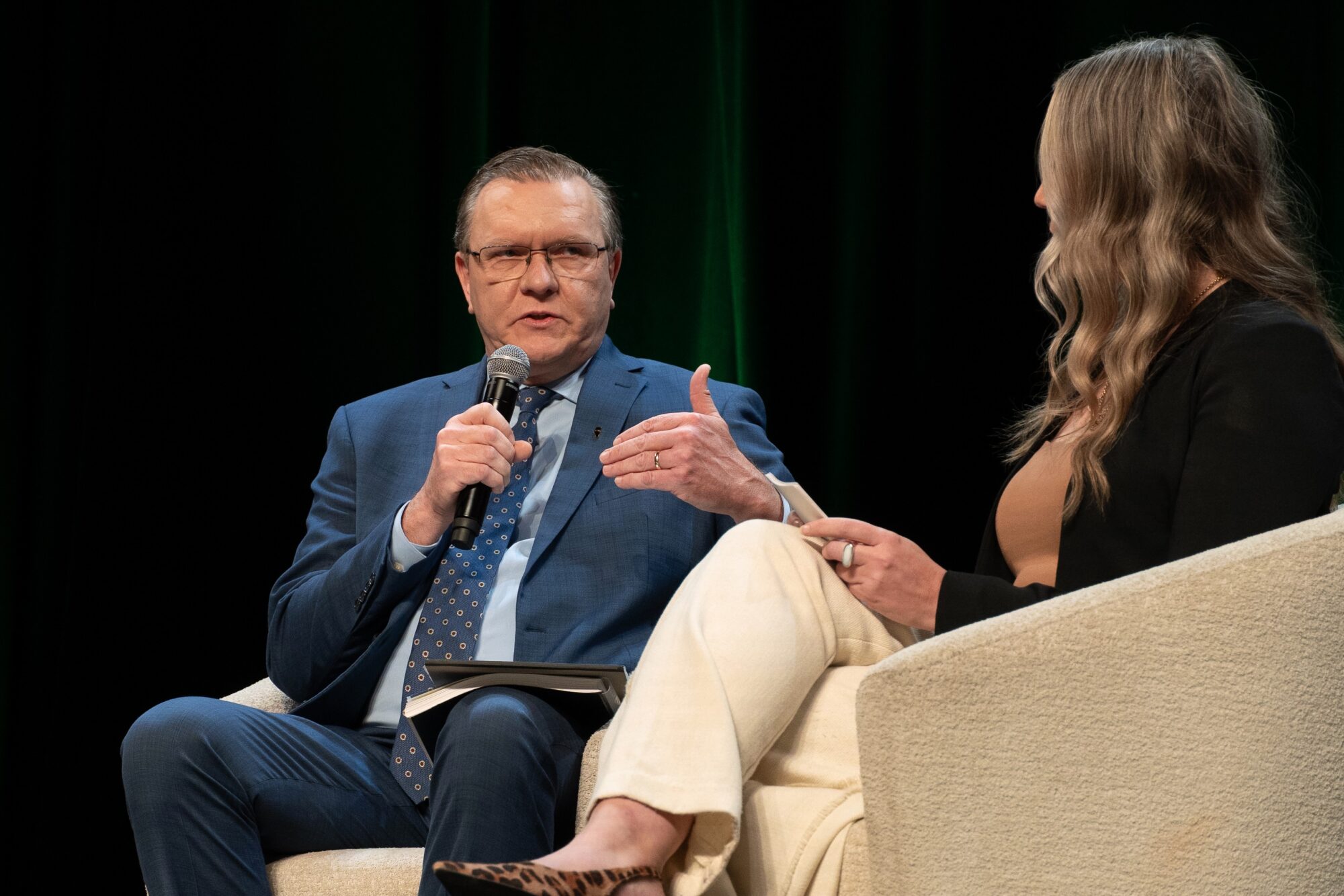
According to Wilson, a vote in favour of exploring separation further would clear a path for better negotiations.
“The only pathway, the only question, and the only vote that leads to a circumstance where Alberta can have an adult discussion with the rest of the country … is option two on question 10,” he said.
Gordon responded to Wilson’s argument and said there’s no third option on the separation question.
“You vote to stay or you vote to leave,” she said. “And the second you vote to put the machinery in place for a binding referendum, the train has left the station.”
Both Kenney and Gordon noted the recent momentum behind major projects in Alberta with federal support. Kenney encouraged Albertans to lean into the momentum instead of entertaining the separatism debate.
Wilson pushed back, saying that Alberta could use the leverage of a vote in favour of holding a later, binding referendum on separating to negotiate with Ottawa. If those discussions fail, “there will be another vote … and that’s your real question.”
Economic impacts of entertaining the possibility of separation
Kenney agreed that even entertaining the possibility of separation can drive investors and businesses away.
Gordon mentioned that there have been been three studies, including one from the University of Calgary, about the economic impacts separation could have. When compared to Brexit, Gordon said Alberta would be far worse off.
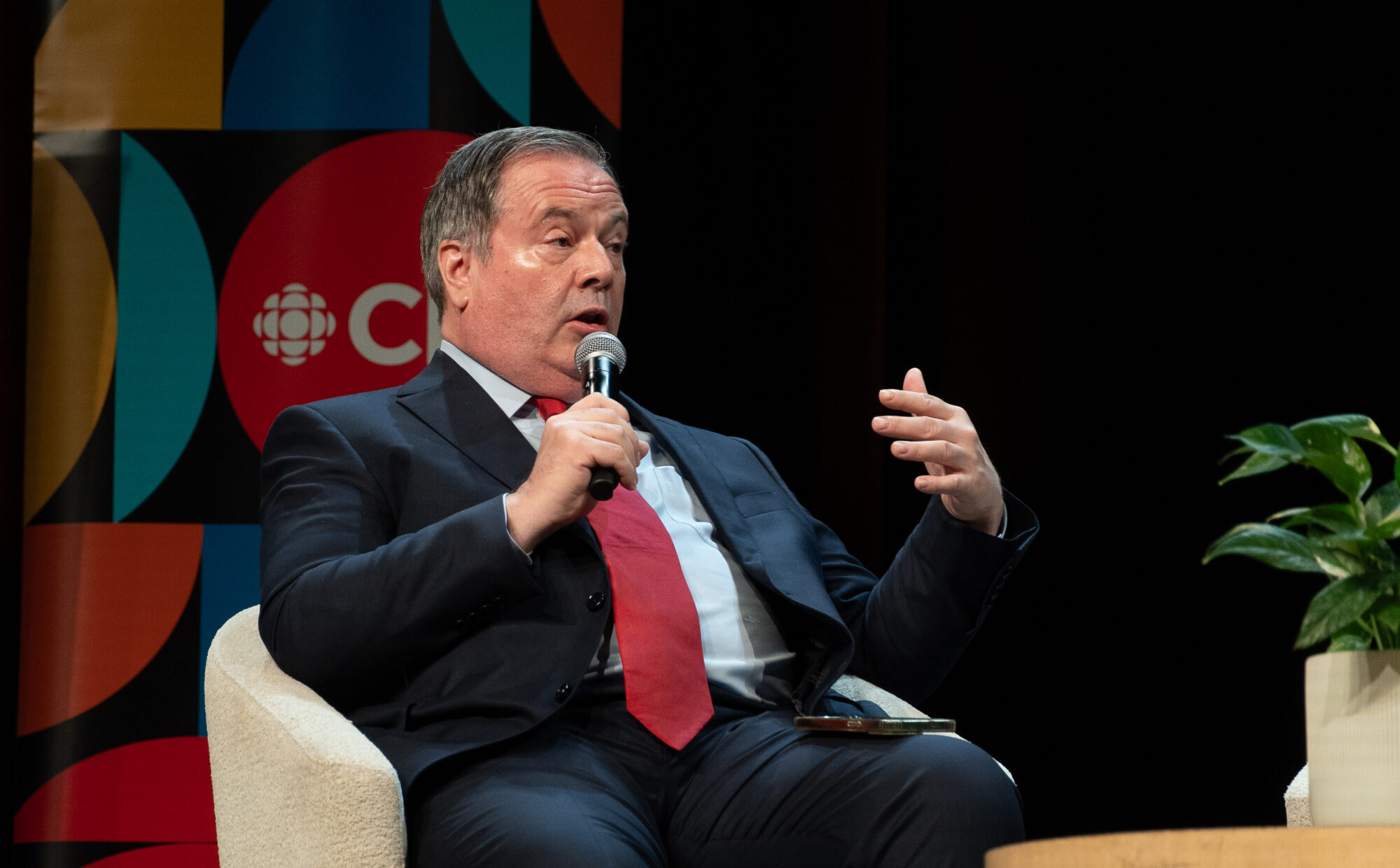
Kenney posed Quebec’s 1995 separation referendum as a better comparison to Alberta’s situation. He said Quebec gained little from the debate and were worse off economically with large banks and insurance companies leaving the province.
“Many people who want to vote for option two say let’s hold a knife to the throat of Ottawa like Quebec did,” he said. “It worked out really well for them.”
“This is an energetic, vibrant province, and I don’t want us to be hostages to decades more of discussion about separatism and grievances with Ottawa,” Gordon added.
Wilson argued that companies left Quebec due to the language laws that came in place before the separation referendum.
When moving a company, he said one of the biggest decisions is whether to take the office furniture. “You can’t relocate the third largest reserve of oil in the world,” Wilson said. “And you know what else you can’t relocate? You guys. Alberta has the youngest population in Canada.”
Kenney and Gordon noted a survey that indicated about half of Albertans would leave the province if Alberta separates.
Impacts on relationships with First Nations
Kenney also said that being landlocked would create issues for moving oil and gas from Alberta to market.
Additionally, First Nations have already pushed back against separation and would likely continue to do so.
“We [would] go from First Nations being allies and advocates of economic growth and resource development to hitting the brake on everything because they take the very reasonable position that Alberta cannot unilaterally reassign the obligations of the federal crown to the province without their consent,” Kenney said.
Wilson argued that separation would not negatively impact treaty rights. Treaty rights weren’t negatively impacted when Alberta became a province, he said.
“The reality is if Alberta moves to redefine its constitutional relationship with Ottawa, there will be no harmful effect on the treaties and changes would only arise if the First Nations request them,” Wilson said.
“Keith, you do not speak for First Nations,” Kenney said. “Their elected councils and chiefs do, and they unanimously disagree with you.”
“Vote like this province depends on it,” Gordon says
McCarthy asked finally about voter turnout and the potential impact on politics going forward.
Kenney said that if voter turnout is around 40 per cent and 20 per cent vote to hold a second referendum on leaving Canada, “you could have a radical rupture in our lives, in our social, economic, and political lives. Irreversible.”
Gordon agreed. “People have to, from my perspective, vote like this province depends on it, and they have to be prepared to vote and stand in line and go to the advanced polls and do everything possible to demonstrate the direction in which these questions are leading is not what people are going to be sold on.”
Advanced polls will be open in the Cascade Room of the Students’ Union Building (SUB) from 9:00 a.m. to 8:00 p.m. on October 13–17.