LitFest celebrates 20 years of promoting non-fiction
Ellen Kartz speaks on the festival and the wide-reaching scope of the non-fiction genre.
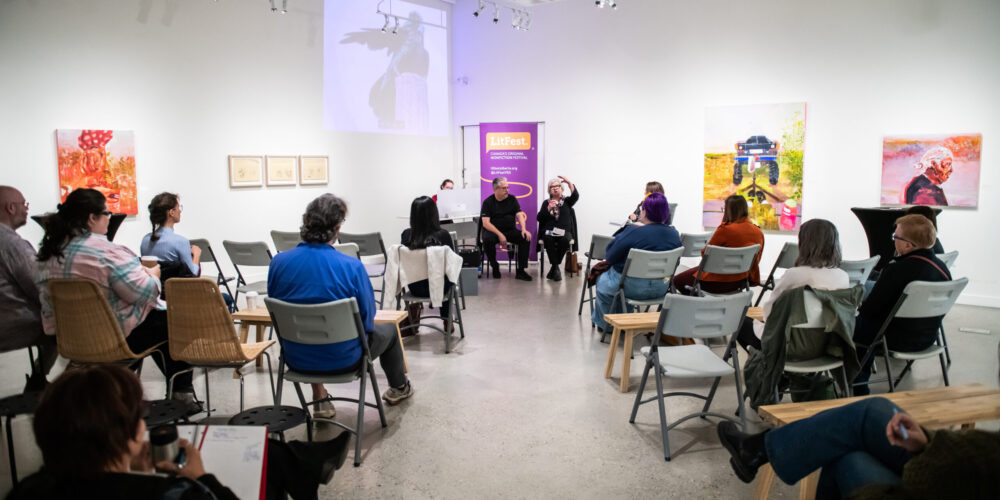 Supplied
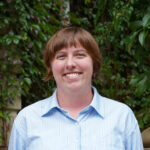
LitFest is the only Canadian literary festival completely devoted to non-fiction, and it is held every year right here in Edmonton. Since 2006, the festival has brought authors and readers together to discuss, read, and celebrate new works of Canadian non-fiction. This year, LitFest is celebrating its 20th anniversary. I had the pleasure of talking to Ellen Kartz, the executive director, about the upcoming festival and the impact of non-fiction on a greater scale.
Kartz has been the executive director of the festival for two years, and her passion for the non-fiction genre was evident throughout our conversation. She noted that the festival has a “very unique platform,” that can sometimes be difficult to narrow down. She commented on the “breadth” of non-fiction as genre, noting that “it’s so prevalent that it’s invisible … every time you read an email, you’re reading non-fiction. Every time you send a text, it’s non-fiction … it’s everywhere.”
Kartz loves being given the opportunity to “highlight and showcase the full breadth of the genre.” She touched on how many genres exist within the realm of non-fiction, from memoir to poetry. The thread that ties them all together is “that search for truth, [which] is there in a really unique way.”
This large range of variety within non-fiction can make it difficult to choose a theme for the festival. Kartz sifts through submissions all year, and slowly builds thematic connections as she finds titles she enjoys.
This year’s theme is “Non-fiction shows us who we are.” Kartz explained “I realized there was a lot of stuff having to do with identity and different layers of our individual identities [in the submissions].”
Many featured titles this year explore the idea of what it means to be an individual within the context of a greater community, such as Alberta or Canada. “There’s also a book about DNA, which is sort of like the building blocks of who we are,” she said. All of these narratives come in different shapes and sizes, but they all carry the same core purpose: defining identity.
“There’s … something immediate [about it], it’s a different experience when somebody’s telling you their story,” Kartz says
One title that Kartz highlighted was Numinous Animal by Bertrand Bickersteth. The book focuses on “the history of Black cowboys in the prairies.” But simultaneously, Bickersteth did research on his own family and where they fall within that history, while also reflecting on his own lived experience in the prairies. The title is “part memoir, part research, and part familial history.”
Kartz pointed to Numinous Animal as a prime example of the power of non-fiction. She noted that she grew up in the prairies, but had never learned about this specific piece of its history.
“To find out that there’s this whole part of prairie history … that’s untouched, that’s untapped, that’s untold. And then you get somebody who comes along who’s able to give voice to that. That’s amazing,” she said.
She also spoke to the gravity that comes with someone sharing their life on the page, as opposed to a fictional story. “There’s … something immediate [about it],” she said, “it’s a different experience when somebody’s telling you their story.”
Kartz is very excited for the upcoming festival. She noted how important it is to have these communal, literary experiences, especially in the context of non-fiction. When the author is physically present, “the impact of who they are and not just what’s in the book … the person that has generated that, give access to that heart, that soul, that full being, it’s different. It’s very special.” “And yes,” she noted “you get them to sign [the book].”
LitFest runs from October 14–18 at various venues.