Album Review: ‘Second to None’ by The Get Alongs
The Get Alongs return on their sophomore LP with razor-sharp, jangly guitars and Toronto grit.

 Michael Selby
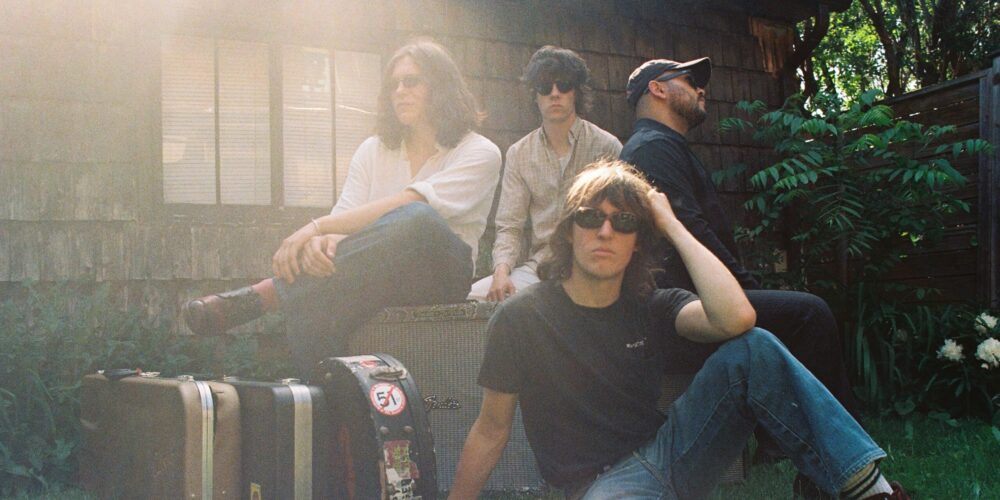
Toronto-based band The Get Alongs recently released their sophomore LP, Second to None, via independent labels Having Fun and We are Busy Bodies. Formed in 2017, the group has made their place in the Toronto underground scene in a long but steady way. With their new record, they are bringing back 60s garage and 70s power-pop, hitting a sweet spot balancing out the two.
Second to None doesn’t stick to a strict linear story. Instead, it uses music to evoke nostalgic feelings. The album explores growing up and the pains of adulthood, the period of inaction of one’s life and falling in and out of love. While simultaneously bringing mixes of breezy sun indie-rock with tight, careful studio production.
Starting strong with the lead single and first track of the album, “Come On” delivers steady drums and sharp guitar work. The vocals don’t try to fight the music, but find their place perfectly within the track. The tone is set by lyrics such as “I’ve been getting around, I’ve been making some waves.” This lyric doesn’t sound like a brag, but feels like a frustrated echo of defending oneself. It’s messy, bitter, and pairs well with late-night drives.
“9 times out of 10” starts off with a catchy bass line that moves into the sound of thick, modulated guitars. The heavy, hypnotic rhythm acts as an anchor, keeping the song moving forward. The dense sonic layer matches the obsessive nature of the lyrics. This song spins a story of self-sabotage, predictability, and the nature of human habits. It tackles the headspace of knowing how a mistake is going to play out and still doing it anyways.
The third track, “Sunday Afternoon,” shows the band’s comfortability with vulnerability. They pull back the wall of distortion and bring in a song with a sun-soaked arrangement at an easy, relaxed pace. Lyrically, this track is a quietly devastating exploration of longing and passing time. It feels like a journal entry about missed opportunities and things left unsaid. The payoff lands on the lead guitarist, Rory Pickernell, as he casually drifts through the verses before exploding into a melodic solo that releases the pent-up romantic tension.
“Haunt” is the dark horse of the record. It pivots away from the band’s brighter melodies to a moodier lane. The brooding musical tension reflects the lyrical theme of being trapped in a memory. The song avoids a massive chorus, choosing instead to keep the listener on edge, trapped in the same loop as the narrator.
Closing off the first half of the album, “One and Everything” shifts effortlessly between incredibly quiet verses to a massive chorus. The lyrics tackle the weight of the anxiety of trying to be everything to someone while feeling like nothing inside. The shift between quiet and loud represents the mind spiralling into panic and then calm.
Side B opens with a high-energy punch that puts the adrenaline back into the record with “Secret Shopper”. Musically, this track brings surf-punk energy in a tight and precise way. Lyrically, it is very tongue-in-cheek, using the title as a metaphor to critique modern dating culture and the superficial way people evaluate each other. It’s fast, witty, and brings a much-needed cleanse after the emotional dynamics of the previous songs.
“Merry Way” dives headfirst into 70s jangle rock, with vocal harmonies that are bright and clean, giving the song an infectious bounce. While the lyrics are opposite to the music, describing the quiet dignity of letting go of a toxic situation. “Sound” is a sonic playground, taking risks and stretching boundaries of what rock music is. The lyrics are sparse and abstract, taking away the traditional structure of verse-chorus-verse. “On and On” is a relentless track that is incredibly punchy, pushing forward with raw power. The vocal delivery matches the urgency, while the band’s rhythm section perfectly mirrors it as well.
Closing the album, “2:32,” acts as a confrontation with late-night thoughts, overthinking, and sudden moments of clarity. Its lyrics beautifully tie the whole album together, confronting the messy anxieties of growing up and leaving old versions of yourself.
Second to None blends scuffed-up guitar work with razor-sharp hooks. The record places its vibrant, driving instruments against deeply introspective lyrics that explore heartbreak, growth, and nostalgia.