 Getty Images
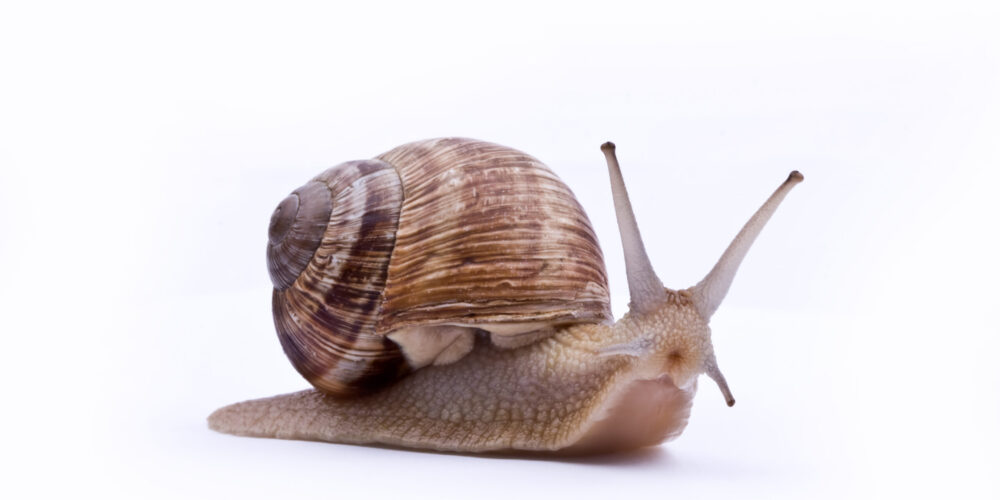
 University of Alberta researchers discovered that Snail Activator of PHRPP1 (SNAP), a hibernation inducer in snails, can preserve heart function in non-hibernating animals facing ischemic, or low-blood-flow conditions.
“During hibernation, animals have extremely low heart rate and breathing rate, which causes a huge drop in the delivery of oxygen and nutrients to their tissues, but they don’t suffer from any damage,” Jiyuan Piao explained. Piao is a postdoctoral fellow who co-authored the study led by Evangelos Michelakis, professor and director of the Cardiovascular Research Institute.
Snails can still “preserve the heart function during their stress conditions, and even can preserve the different cell types, even though there has low oxygen and low nutrient for longer time.”
Meanwhile, for non-hibernators like humans, lack of blood flow and oxygen to a part of the body can cause many issues, especially during organ transplants.
Discovery of SNAP
When comparing the blood of hibernating and non-hibernating snails, Piao explained, “We found that there is a unique peak [in] this metabolite only in the hibernating snails. And once they exit the hibernation, this peak will disappear.”
That metabolite was SNAP.
Using computer modelling, they found that SNAP can bind with PHRPP1 in humans. PHRPP1 is a widely conserved phosphatase found in organisms, from yeast to mammals, that can remove a phosphate from various proteins.
When they tested SNAP on a mouse heart and various other cells from mice, rats, and humans facing ischemic conditions, they found that this cascade of molecule changes rewires metabolism and encourages the recycling of cell components.
SNAP’s discovery is encouraging for improving transport of donated transplant organs. Currently, they suffer significant damage due to a lack of blood and oxygen flow, followed by sudden return of blood flow.
The control group either died or showed signs of aging due to lack of blood flow. Now, the Michelakis lab is working with cardiac surgeons at the university to test if SNAP works the same way in organs of larger mammals like pigs.
SNAP in longevity medicine
Because hibernating animals age more slowly during hibernation, the team is also exploring SNAP’s potential applications in longevity medicine and the mechanisms behind it for each organ.
Many anti-aging drugs have already been developed, but they come with a lot of side effects, so the Michelakis lab is conducting experiments in mice to determine whether all organs can benefit from SNAP.
So far, according to Piao, the data is promising.