 Leah Hennig
For University of Alberta oncology researcher Spencer Gibson, improving the lives of lymphedema patients is top of mind.
Lymphedema is the swelling of extremities due to damage to the lymphatic system. Tissue damaged by lymphedema is no longer able to fight off infections, Gibson explained. The condition is also often uncomfortable and painful, he said.
As the Dianne and Irving Kipnes Endowed Chair in Lymphatic Disorders, Gibson is focused on finding the root causes for the condition.
According to him, lymphedema is “a disease that is underrepresented, underappreciated, and there’s a huge need to understand the basic mechanisms behind it.”
Gibson’s research program has sought to answer why some people who have damage to the lymphatic system get lymphedema while others don’t. Gibson explored this question in a recent study by analyzing the microenvironment of those with lymphedema.
“Our results show that fatty acid toxicity is a contributing factor to this microenvironment that prevents the repair of the tissue.”
Gibson hoping to increase training in lymphedema
Gibson’s team has a program focused on understanding what types of diets can change this microenvironment within the tissue to advise patients on what diet to follow.
“We’re currently trying to figure that out in the next couple of years, so that we can take it to clinical trial and then really have good guidance to patients in terms of what they can do to improve their lymphedema.”
In addition to diet, Gibson’s team is looking to use FDA approved drugs and even supplements to understand how to change toxicity within the microenvironment. Additionally, the team is working to understand the biological markers of lymphedema so that they can identify those who are at higher risk of developing the condition.
For Gibson, being able to help answer patients’ questions about their understudied condition through research has been “really rewarding.”
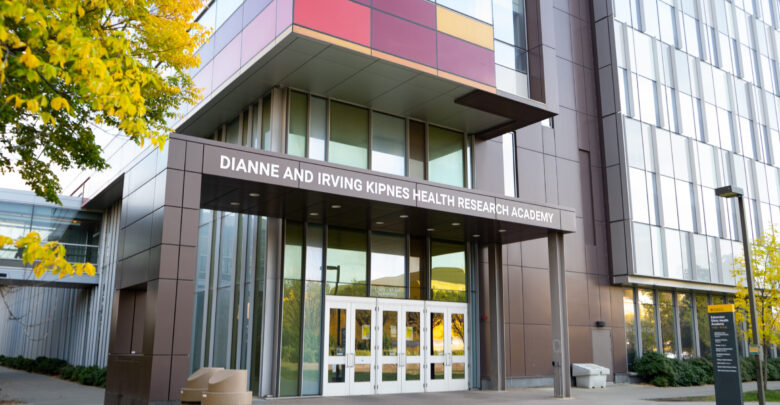
He mentioned the new Dianne and Irving Kipnes Health Research Institute, which was established by a $25 million gift from The Dianne and Irving Kipnes Foundation. One of the institute’s key focuses is advancing lymphedema research.
Gibson also emphasized the importance of training the next generation of lymphatic researchers.
“There’s not very many people working in this field, [and] training is a really important component of it,” he said.
“I have four graduate students in my lab, and I’m hoping to increase training across the spectrum for [undergradute], graduate students, as well as health professionals, so that we can create a multidisciplinary team associated with this new institute started at the U of A.”
With files from Aashi Sharma