 stem.T4L
Valerie Carson, a professor in kinesiology, sport, and recreation, led a study showing that not all types of screen time are equally harmful for children’s cognitive development.
After seeing extensive research on the link between screen time duration and cognitive development, Carson wanted to go further and examine the effects different screen time types have on preschool-aged children.
The study looked at how parents can maximize the benefits of screen time and minimize negative associations with cognitive development.
“There is likely some screen time when used in moderation that would be higher quality for cognitive development compared to others,” Carson explained.
She found that the most common forms of screen time involved entertainment like shows, movies and videos. At the same time, research has linked these types of screen time with less advanced executive function scores.
Carson explained that lower executive function scores looked like lower rates of self-control among children. One example is testing how long a child can sit still in front of their favourite snack before they can eat it.
The type of screen time matters
Children most commonly consumed entertainment-based screen time, which researchers labelled as lower quality because of its mentally passive nature. Children had few opportunities to respond verbally or find objects.
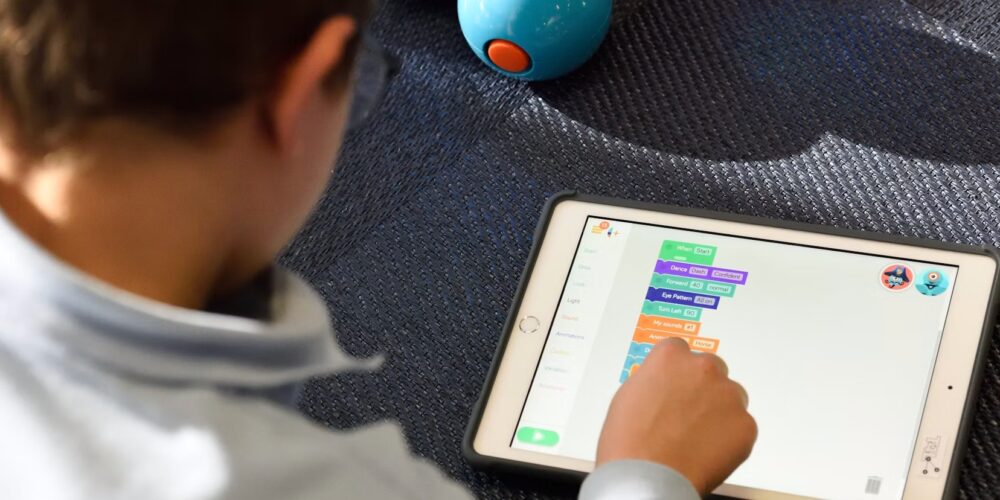
Mobile devices can give children access to educational and interactive apps that foster communication. For example, engaging in a FaceTime call with a family member may benefit cognitive development.
Electronic games are also associated with higher working memory scores and are considered higher-quality screen time. Games may promote interactions between child and caregiver if the two are playing the game together and are cognitively demanding.
However, because parents often use screen time to keep children occupied, children often do not receive these benefits. Instead, they use screen time for entertainment purposes. “A common reason is so parents can get other stuff done, or just have a break after a long day,” Carson said.
She explained that advertisements may call apps or shows educational without scientific evidence to support those claims. These screen time forms may not provide the cognitive benefits that parents expect.
Because of this, findings of the impacts of educational screen time on children were “messy” within the study. Parents often cited educational reasons for allowing their children screen time. However, children rarely consumed educational content, making it one of the least common forms of screen time.
“Moderation is still the main message,” said Carson. She explained that screen time replaces other activities that are beneficial for development, no matter what link it has on language skills or communication skills.
“If families are going to be engaging in screens, there’s ways they could be used in a higher quality way.”