 Julia Derus
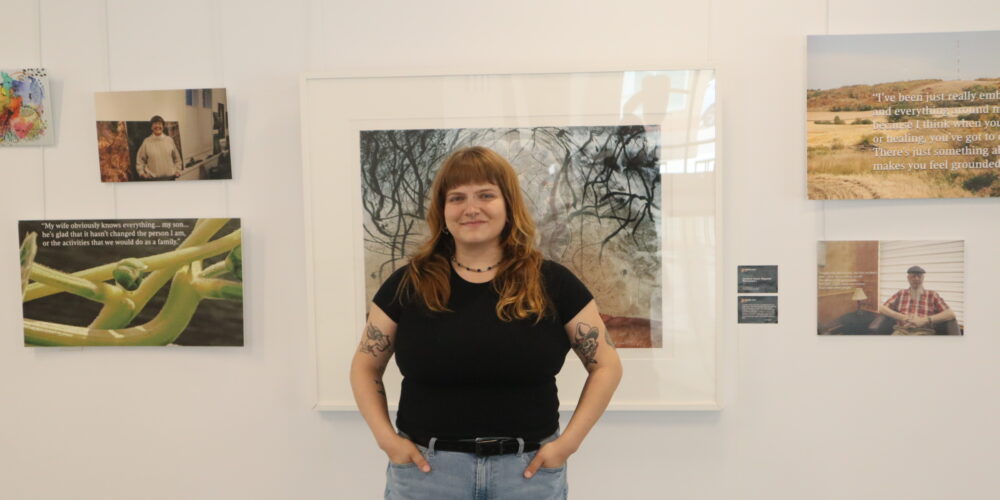
 Living with chronic cancer is a reality for many Canadians. Sam Schembri, a research assistant at the University of Alberta, hoped to depict the everyday lives of those with chronic cancer through the LONGEVITI art exhibit at the Stanley Milner Library.
Schembri was the only participant in the research study not from a nursing background. Her role was to guide eight participants with chronic cancer in making art for the exhibit. It was led by Edith Pituskin and Holly Symonds-Brown, who are professors in the faculty of nursing.
“My role was to … get other angles that maybe the interviews and nursing department couldn’t quite get into,” said Schembri. She built relationships with participants to discover what it means to live with chronic cancer and the various highs and lows associated with it.
Themes of hope, nature, and spirituality
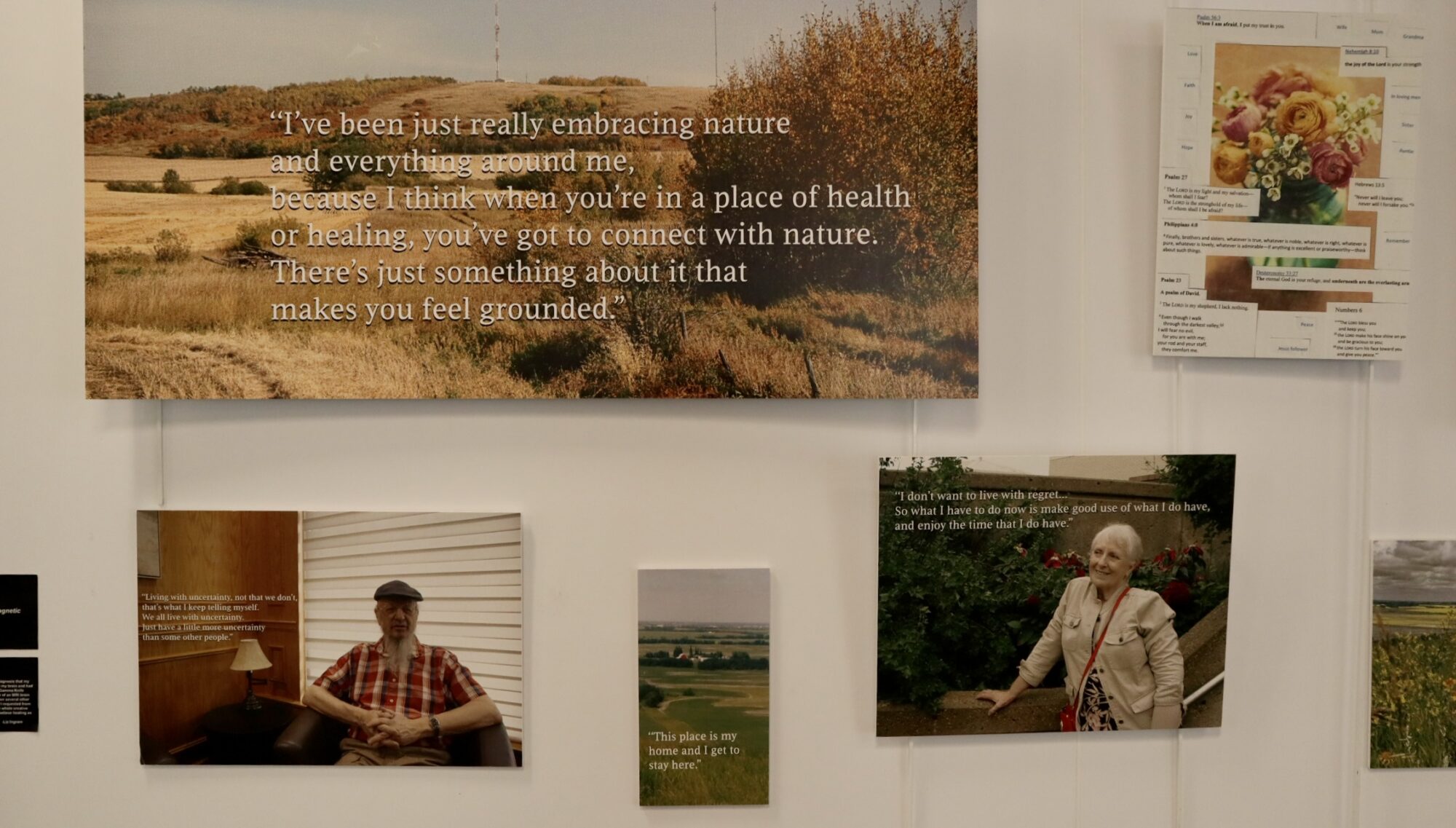
“I was quite pleasantly surprised,” Schembri reflected. “A lot of people had a lot more positive changes than I would have assumed.” She explained that many participants possessed a deep connection to nature that allowed them to find peace in their diagnoses.
Some feel like their body is failing them, but are still able to find connections with their environments, according to Schembri. Participants used metaphors in the artwork to express the continuity of their lives.
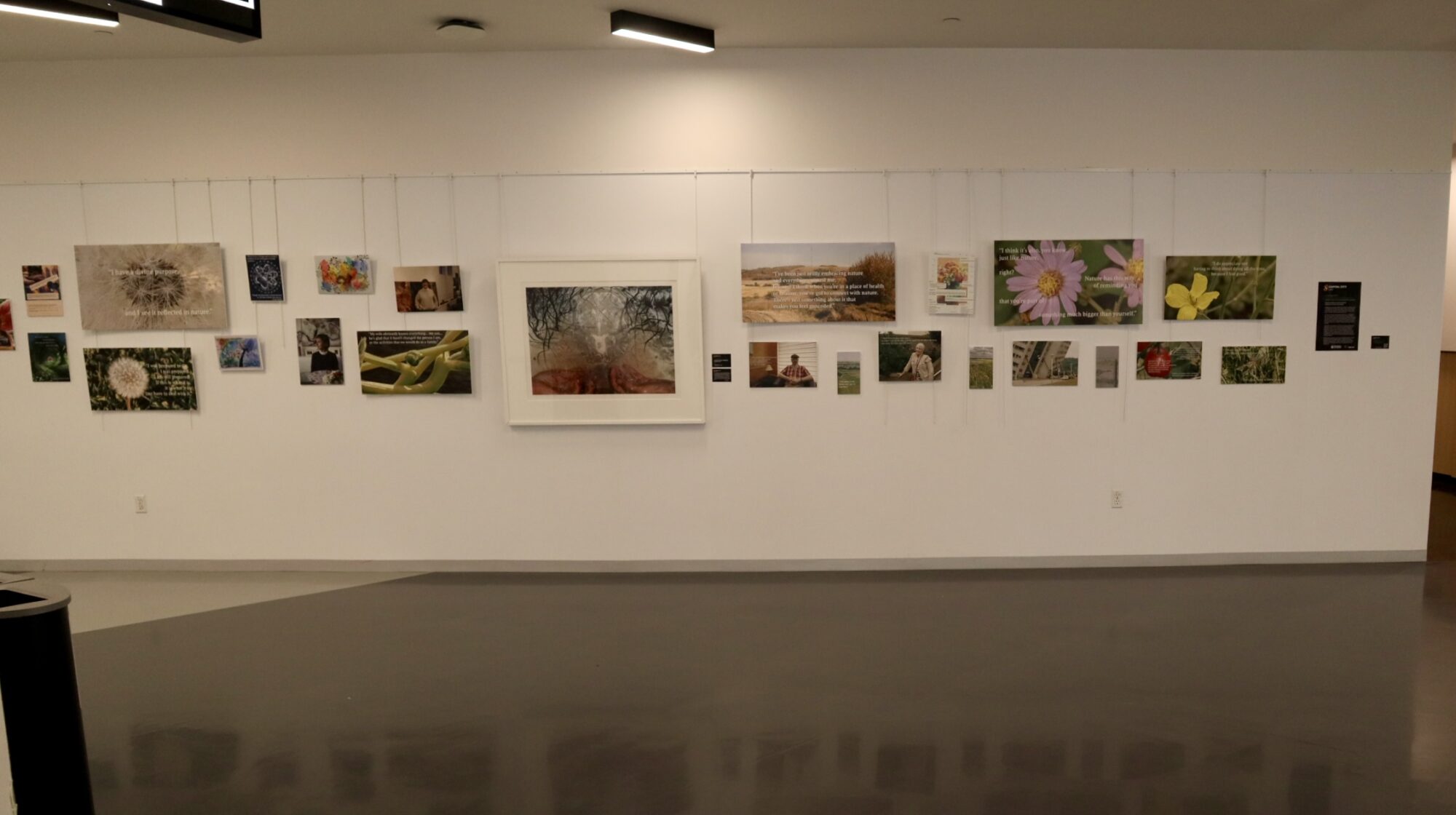
By reprioritizing what’s important in life, patients focused more on community connections and building healthy habits. They asked themselves what actually makes them happy, and how they want to spend their remaining time.
The health-care system often reduces patients to statistics or diagnoses and leaves patients feeling dehumanized. “I didn’t know a lot about these people’s direct diagnoses. I’m just meeting them as people,” said Schembri. Participants took the lead in making their artwork, a break from the constant instructions in health-care settings.
The opportunity to voice their experiences was especially important. According to Schembri, patients can feel misunderstood and isolated. Health-care workers often don’t have time to talk with patients about their feelings because of other responsibilities. Her creative approach made sure to treat participants like human beings whose experiences and opinions are valuable and important.
Educating the public and health-care providers
Leaving a legacy through artwork was a great benefit of the exhibit. The study allowed participants to discuss aspects of life with chronic cancer that the public might be unaware of. Those with chronic cancer live fulfilling lives by using oral agents to manage symptoms.
Breaking preconceived notions was another goal. “We shouldn’t be looking at people with terminal cancer as a ticking time bomb for when they’re going to pass,” Schembri said.
She reflected that the idea of survivorship often only applies to those who beat acute cancer. Those who live with chronic cancer are usually left out. We need to reframe societal perceptions of cancer patients to include those with chronic cancer, Schembri emphasized. A greater understanding of the nuances of life with cancer is also needed.
Schembri hopes the exhibit will change perceptions of how terminal illnesses are generally thought of. She expressed that society shouldn’t be “afraid of people with terminal illnesses,” and a greater comfort level discussing illnesses is needed.
“Some of the strongest people are the ones that may not be able to ever beat cancer,” said Schembri.