U of A Hospital installs new Weapons Detection System
The system will improve safety for both patients and health-care workers by detecting items of concern.

 Supplied
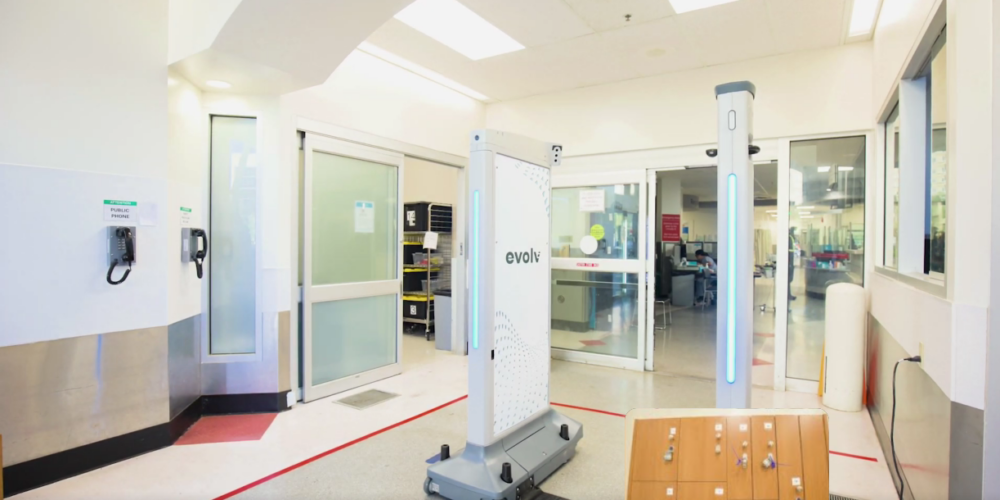
On September 2, the University of Alberta Hospital officially opened its new weapons detection system.
Both patients and visitors are required to go through the system before entering the emergency department. The goal is to improve workplace safety for both patients and health-care workers.
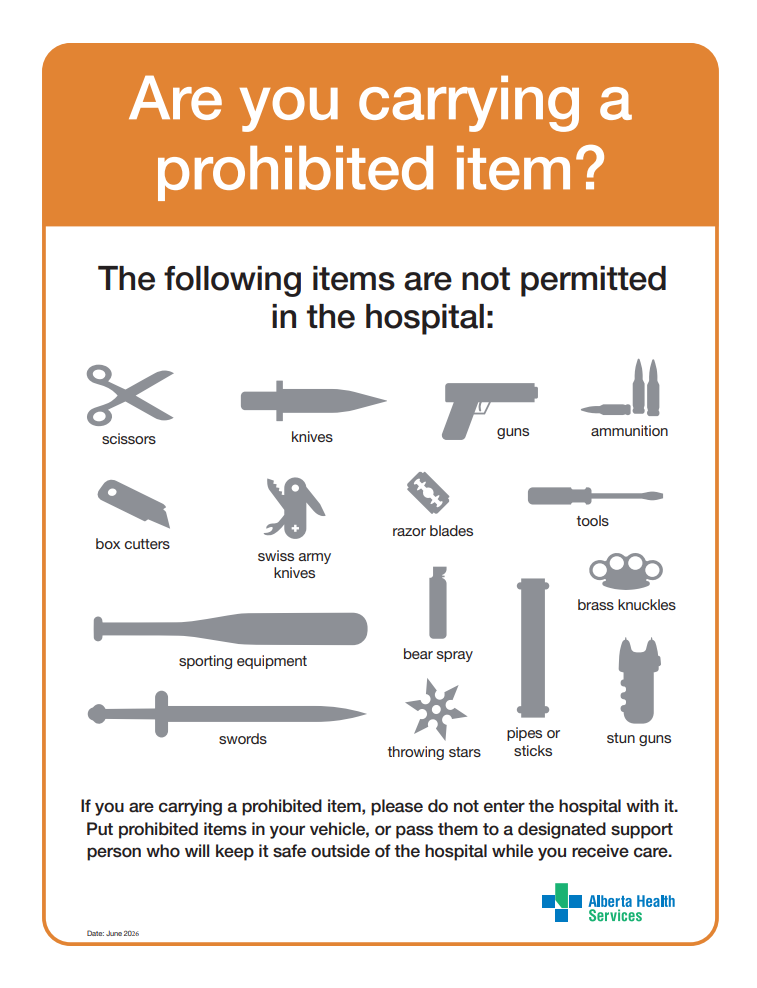
If one has an “item of concern” on their person, protective services will perform a secondary screening. These items include knives, tools, bear spray, and other sharp items that could cause physical harm.
Visitors and patients can also dispose of unsafe items in an amnesty bin or store them somewhere safe, like a locker, until their visit is over.
More than 3,000 items stopped from entering ER departments
“Health-care workers are exposed to higher levels of workplace violence than almost any other industry,” said Ryan Cammidge, the director for protective service operations in the Edmonton Corridor. Overall concerns for safety and health signalled that a weapons detection system is necessary.
Workplace violence is a common problem within the field, Cammidge explained. Especially in major metropolitan areas like Edmonton. Emergency departments near transit or other forms of transportation bring in their own risk that rural hospitals don’t see.
The Royal Alexandra Hospital implemented their own weapons detection system in May of this year — the first hospital in Edmonton to do so.
Previously, the U of A Hospital introduced a one-bag, one-visitor policy — limiting all patients and visitors to one bag. This was one layer in addressing the complex problem of health-care safety, with the weapons detection system following shortly after.
Both policy and technology evolved at the hospital to reduce a psychologically unsafe environment, according to Cammidge.
The system also considers Edmonton’s homeless population, who may not have a car or a house to store items.
“We want to give them safe opportunities to keep the belongings they have and allow them the dignity of that.” Cammidge also said that protective services engaged with Indigenous wellness partners before implementing the detectors.
The system, both at the U of A Hospital and the Royal Alex, has been successful in storing and disposing of unsafe items.
Cammidge said 2,148 items have been safely stored, with the amnesty drop utilized 757 times. Altogether, combining in over 3,000 items that were stopped from coming into the emergency room.
Using AI to detect items of concern
To detect items, the system (obtained from Evolv) uses safe, non-ionizing radiation to scan and identify the density and shape of a metallic object. Artificial intelligence (AI) will then identify whether the item matches information in the database and classify it accordingly.
False positives can happen, but the system is generally accurate. For example, it can mistakenly identify layered metal items (cell phone, laptop, keys) as items of concern.
But false positives have not been a major problem. All they do is lead to secondary screenings where protective services confirm what the item actually is.
If the secondary screening highlights a dangerous item, the individual can store the prohibited item.
“The vast majority of everyone we deal with are highly compliant and happy to go through the process.”
In the month that the system has been at the U of A Hospital, feedback has been “extremely positive.” Even by individuals who you might not think would be supportive of the system, said Cammidge.
This includes those who live high-risk lifestyles, or the unhoused population. “They want to feel safe too.”
To continue improving safety, Edmonton Protective Services is recruiting more peace officers. They are also looking to make the weapons detection system more efficient. Especially so that when winter hits, the freezing cold does not force patients and visitors to wait in lines outdoors.