 everett Pachmann
I love air conditioning. Walking into an air-conditioned room after a dose of sweaty suffocation is like washing down that sugary film left in your mouth by chocolate with cold water. The problem is that relying on air conditioning is not sustainable.
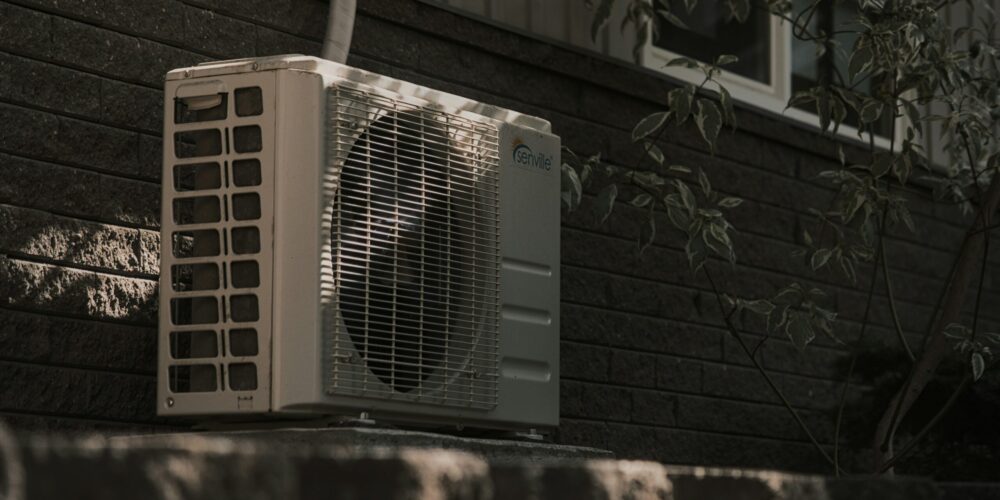
Summer keeps getting hotter, and air conditioning seems like the easiest solution to nights spent kicking sheets to the foot of the bed. But sleeping in a cool room does not mean the heat goes away. The air conditioner expels the heat from inside our houses to the outside air, so rather than addressing heat waves, it simply saves us — temporarily — from the experience of them.
The widespread reliance on this stopgap mirrors a common conflation between weather patterns and climate change. The immediacy and tangibility of weather can pull our attention away from the global picture, just as the immediate effects of air conditioning can distract us from the heat on our doorstep. Alberta’s minus 40 degrees Celsius winters might be misunderstood as evidence against global warming, but these extreme cold flashes are actually a symptom of the climate’s increasing instability. Similarly, the growing dependence on air conditioners is a symptom of the growing heat issue. Again, the temporary chill of our living rooms, or of our winters, does not mean that any of the heat has disappeared — it has moved elsewhere, causing problems elsewhere.
By evacuating heat from buildings to the streets, air conditioners exacerbate urban heat islands. The term “urban heat island” refers to cities being far warmer than their rural surroundings, which is the result of buildings and paved surfaces, vehicles, and heating, ventilation, and air conditioning (HVAC) systems. For the individuals sipping on frigid cans of iced tea inside air conditioned homes, this might not be too concerning. There are many, though, who cannot afford an air conditioner. The installation alone can cost thousands in Canada. As a result, all the heat that air conditioners apparently “get rid of” is just propelled towards the people who cannot afford relief from it. Millions of private air conditioners are thus exchanging long-term well-being for an expensive quick fix.
Without even diving into the large amount of energy that air conditioners consume and how many greenhouse gases they produce, we see this negative feedback cycle of people seeking relief from dangerously hot summers with a system that massively contributes to the problem. The air conditioning “solution” is not accessible to those who need it most, nor is it solving anything in the bigger picture. We should be facing the heat.