Students raise concerns with proposed tuition increases at tuition town hall
Students were able to voice their concerns with tuition to university administration.

 Leah Hennig
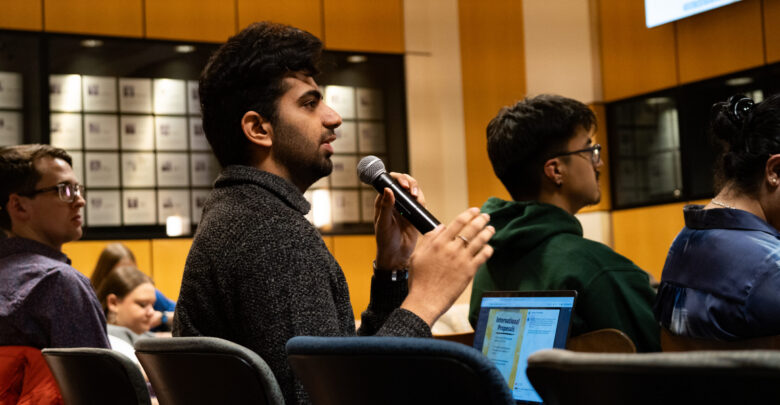
On January 14, University of Alberta students asked their questions about tuition at a tuition town hall hosted by the U of A Students’ Union (UASU).
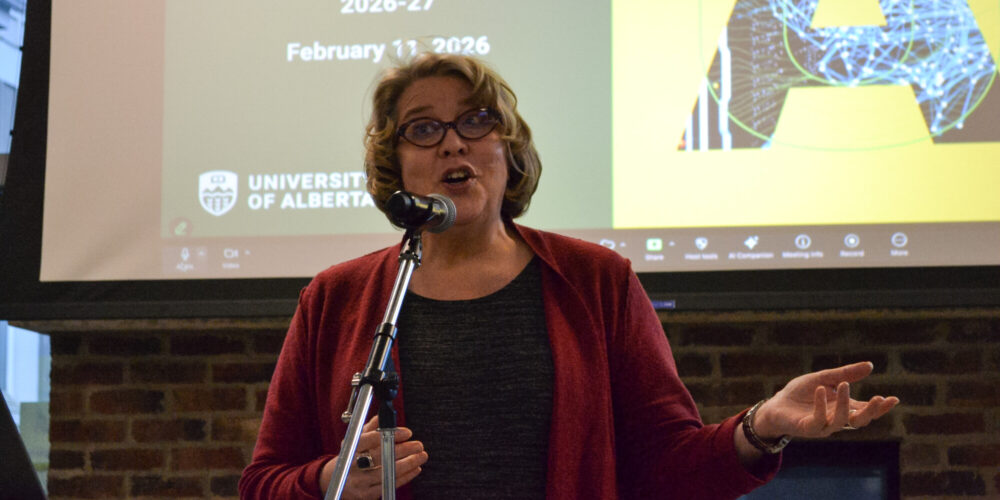
Melissa Padfield, deputy provost (students and enrolment), presented on proposed tuition increases and answered students’ questions. The town hall was a part of the university’s tuition consultation process.
Increases in cost drivers including salaries and benefits, materials and supplies, utilities, and maintenance all contribute to tuition increases, Padfield explained.
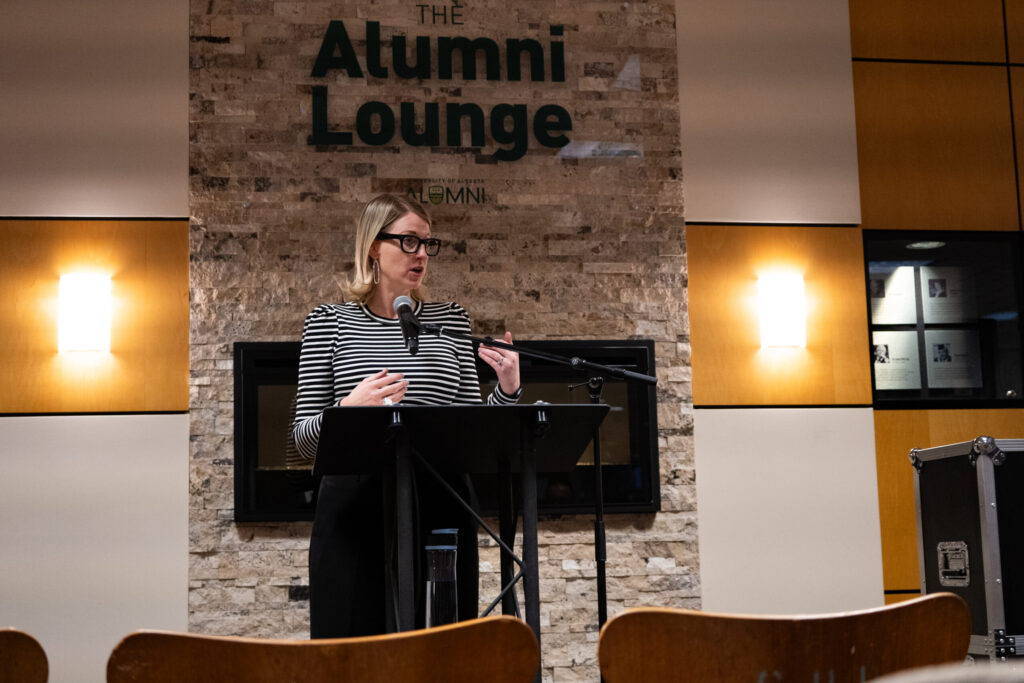
“We haven’t had any inflationary increases, meaning the purchasing power of that money has gone down every single year, representing a decrease in our abilities to deliver things,” Padfield said.
The university is proposing a two per cent tuition increase for domestic undergraduate and graduate students for fall 2026. Additionally, a 5.5 per cent increase has been proposed for new international undergraduate students in fall 2027, with exceptions for computing science and nursing programs.
Students question university administration on ETIs and advocacy efforts
One student asked about the process behind the proposed 75 per cent exceptional tuition increase (ETI) for the master’s of nursing program. Padfield emphasized that the ETI proposals have only been submitted to government, not approved.
She also mentioned that the ETIs only apply to new students, and funding from the increases can only go towards program enhancements.
UASU arts councillor Arman Chauhan inquired about the university’s advocacy efforts to increase funding from provincial and federal governments. Padfield said the advocacy program ran through the vice-president (external relations) is focused on “leveraging the conversation that comes out of the Mintz report.”
“This is a space that’s allowed us to enter into even more robust conversations with government about a funding formula that acknowledges the cost of education, that actually recognizes the access that students deserve to come to the U of A, and really start to talk with them about what it looks like to build out a robust higher education sector for the future.”
Students raise infrastructure concerns
Angelina Raina, arts student and speaker of Students’ Council, spoke about various infrastructure concerns including the fire in the Humanities Centre, elevator issues, and flooding. Raina asked if there any specific infrastructure commitments that will come out of increased tuition, and if the university is advocating for infrastructure-specific grants.
Padfield emphasized that tuition and infrastructure maintenance are different pools of funding.
“Those are different pools and we talk all the time with partners in different levels of government on how we fund infrastructure more effectively.”
Additionally, a student in the faculty of science asked how the university would navigate the government freezing funding. Padfield reiterated that the university has continuously received a flat operating grant. According to her, this has put the university’s ability to maintain the quality of student experience at risk.
“All of this creates a really difficult picture to try and keep quality the way we want it, and not have it land on one particular group or have to cut so significantly that the university you signed up to participate in isn’t the university that you experience.”
The student also inquired about Board of Governors’ (BoG) receptivity to student consultation on the impact of tuition increases. Padfield said BoG “does listen,” but “it just doesn’t always result in the thing that some of our students would like.”