EIFF film review: ‘Strong Son’
To end this year's Edmonton International Film Festival, 'Strong Son' is an inspiring Canadian film about how strength is more than physicality.

 Supplied
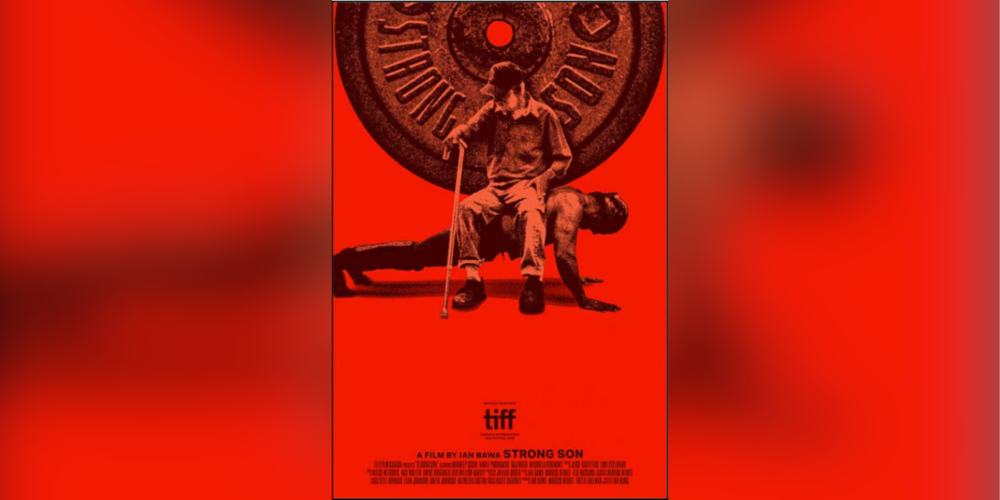
Strong Son’s inclusion in the Edmonton International Film Festival (EIFF) was a great representation of Canadian film. With distinctly Canadian visuals and music, writer and director Ian Bawa brought his own life and experiences to the big screen. Based on Bawa’s relationship with his own father, the film is one of three films Bawa describes as his “Sad Dad” collection, which explore the challenges of intergenerational relationships in immigrant families. Bawa’s most recent film, Strong Son, challenges traditional values of masculinity and familial expectations, as our bodybuilder protagonist learns to define a new kind of strength.
Harvinder “Harvey” Singh (Mandeep Sodhi) must balance being his father’s primary caretaker with his own self-discovery. The film explores Harvinder’s journey wonderfully, and his performance is engaging and believable. The uncomfortable moments of embarrassment and shame Harvinder felt were equally shared by the audience. The father, Jagdeep (Amrit Parbhakar), was a compelling, complex character who had us laughing and crying throughout. His expression of fatherly discipline, weakened by his age, and his ignorance, feigned or real, made the emotions of the film that much more real and complex. Overall, the acting was incredible and sentimental, and the development of both main characters was satisfying.
What stood out most to me about the film were the technical elements. This film shone in its musical and cinematic production. The soundtrack was reminiscent of old-school Canadian radio and worked well with the colour grading and lighting. This made the movie so interesting and engaging — I felt I couldn’t take my eyes off the screen. Aside from the editing, the shots and orientation of the film shifted from authentic and personal inside the house to cinematic and shocking, such as when Harvinder cries in the wrestling ring. I really appreciated the variety and quality of these shots, especially in the opening and closing of the film.
The film’s ending and opening are easily the best parts. The two montages feature Harvinder in many feats of strength, with his father speaking in the voiceover. The opening montage, which flickers between different shots of the screen, features different scenes of Harvinder during his body-building competitions, with his father, metaphorically and literally, on his back. In the end, however, it shifts to scenes of Harvey going to therapy and exploring different relationships and passions, a testament to a different kind of strength he discovered throughout the film. The impression that his father is the support and reason Harvey is so strong in both montages resonated strongly with me and felt beautifully cathartic.
This film is a testament to how incredible Canadian film can be. I look forward to seeing many, many more at next year’s EIFF.