 Rapha Wilde
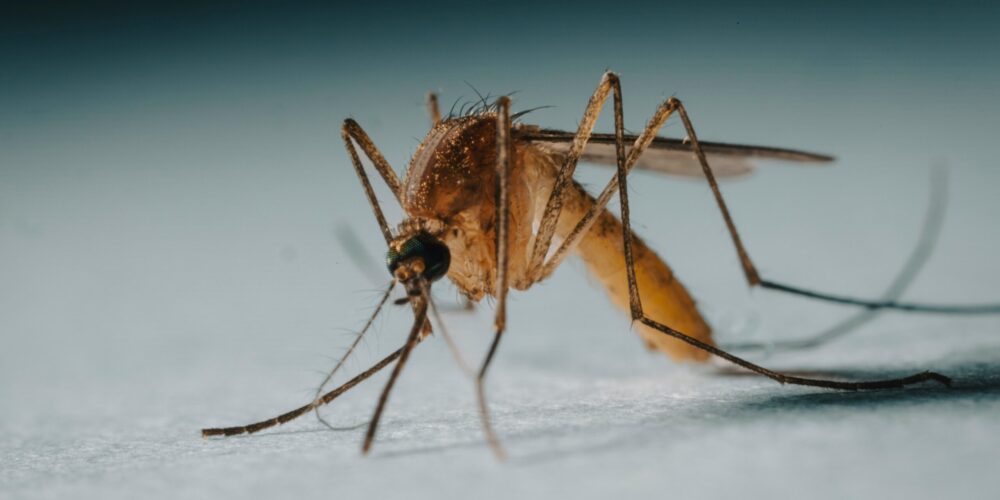
After the increased rainfall this summer, the mosquito population in Edmonton has increased substantially. There are more mosquitoes flying around campus now than in previous years.
Nadir Erbilgin, a professor in the University of Alberta’s faculty of agricultural, life, and environmental science, explained why this happened and what this means.
More water means more opportunities to reproduce
Mosquitoes are not just insects that live on land and fly around above water. They spend some time in the water as well.
“Mosquitoes have two different life cycles, and when they’re immature mosquitoes, they’re aquatic, which means that they spend their time in the water,” Erbilgin stated in the interview.
“They need water bodies, stable water bodies. The eggs are laid and the larvae develop inside the water,” he added.
More water, therefore, means more places to reproduce for mosquitoes. The heavy rainfall this summer created more opportunities for the mosquitoes in Edmonton to reproduce and increase their population.
It also prolonged the period during which mosquitoes could reproduce. Not all mosquitoes reproduce at the same time. Some start reproducing as soon as spring hits, others wait until the end of summer before they start the mating process.
“These are different species of mosquitoes operating, not the single species,” Erbilgin said. “Some of them are early risers, so having a spring rain will promote their population. Some of them [lay eggs in the] mid- or late-summers.”
An annoying, but essential part of nature
At first glance, this development may seem like an increase in irritating mosquitoes flying around campus, ready to bite you. But this increase actually has a positive effect on the environment.
Mosquitoes play a specific role in the food pyramid: being prey for certain predators, like fish, invertebrates, or other insects. They are an essential part of life around us. The increased mosquito population means more food for these predators, which means they can survive better and reproduce better themselves.
Before this summer of heavy rainfall, there was a problem in this particular food pyramid. Because of a stretch of dry summers, the mosquito population shrank. This led to the food pyramid also shrinking, because the mosquito predators now had less food.
“Before [this summer], the food pyramid was shrunk because the mosquito population was really low. Right now, probably what nature is dictating is a normal population cycle,” Erbiglin said.
The question then becomes: What does this mean for us, humans? According to Erbiglin, there is not really anything changing for us. The increase in mosquitoes may be very annoying, and getting bitten more is a nuisance, but we have to look at the bigger picture.
As Erbiglin said, “We might see them [as] harmful, but their existence is very important and a part of nature.”
Unfortunately for nature, this increase in mosquitoes will not have a lasting effect in the future. Since mosquitoes don’t live very long and don’t hibernate, they are dependent on the conditions of each summer to ensure their reproduction.
Unless next summer sees the same unusually heavy rainfall, mosquito populations, and the food pyramid will likely shrink back.