 Supplied
In our Hobby Hole column, writers are given the chance to share their favourite hobbies with readers!
Got a love of roleplaying? Looking for new avenues of socializing? Why not try playing Dungeons and Dragons (DnD)? A tabletop role-playing game that allows you to be an epic character going on epic adventures, or a storyteller creating amazing worlds where thrilling escapades take place. In a game where you can be and do whatever you want to, DnD is an exercise in what you are willing to do.
If you want to get into playing Dungeons and Dragons, you first need to find or make a group to play with. One person in the group will serve as the Dungeon Master (DM). The DM sets up the narrative and the world the players will go through, within what’s commonly known as a campaign. This is necessary because the mechanics of the game make it so nearly any kind of storyline in almost any setting can fit within it. Thus, the more specific rules of what you have to and can do to “win” a DnD campaign are ultimately determined by the DM. Finding groups around Edmonton isn’t as hard as you think. Places like the Hexagon Board Cafe and the Table Top Cafe often host campaigns. The University Tabletop Club also provides a space for potential players to connect.
The second step is to create the character you will be playing as. This requires at least some discussion with the DM, as the character needs to fit within the world of the campaign. This also provides the benefit of giving your character big moments throughout the campaign, as it is rare that they will happen without prior negotiation. Your DM will determine what level your characters are and what they are equipped with.
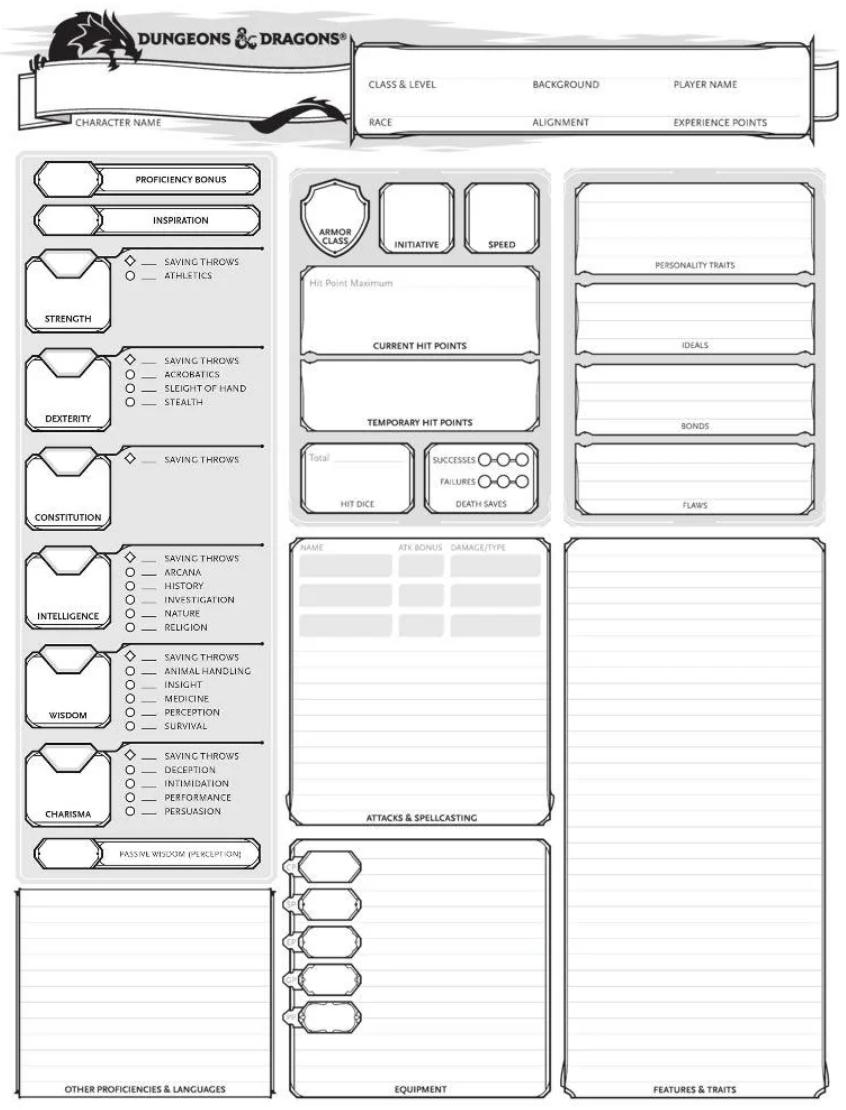
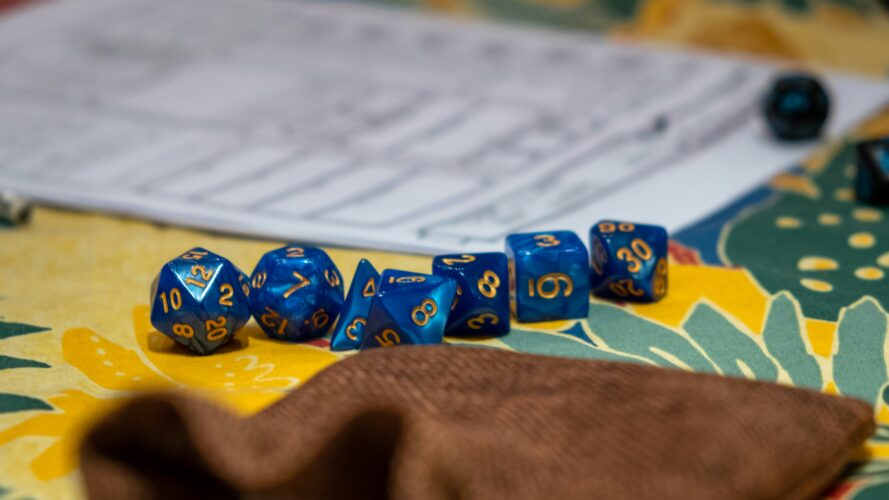
The important thing to get down is your character’s backstory, which essentially includes their race and class, and their goal. Both race and class provide unique bonuses to character statistics, which are bonuses to your die rolls in a given situation. These statistics are Strength, Constitution, Dexterity, Intelligence, Wisdom, and Charisma. You put this information down in a character sheet, which is your reference to your character’s abilities when playing. If you ever have trouble determining those, there are free online compendia such as DnD Wikidot and DnD Beyond. Roll20 provides online character sheets, spell sheets, as well as pre-made campaigns if you can’t print out physical ones or don’t feel like filling them out by hand.
The last step is to start the campaign and play! Beforehand, there will be what’s called a Session 0, which hashes out what players are willing to roleplay, between each other and non-player characters (NPCs). Don’t get shy here, because it might come back to bite you later on, and why play if you’re only going to have a bad time? Things like these are also good to get out of the way before Session 0 as well. Onwards, the only thing a player needs to worry about in sessions is maintaining a respectful environment with other players and the DM, and having fun!
Before I got into DnD, I was pretty bad at socializing and forging connections with other people, often worrying about what I should say and do. I also had very few outlets where I could apply my love for character creation and storytelling. Playing DnD gave me that. If these are things you struggle with too, or if you just want to try something new, I highly recommend playing DnD.