 Ying Tsui
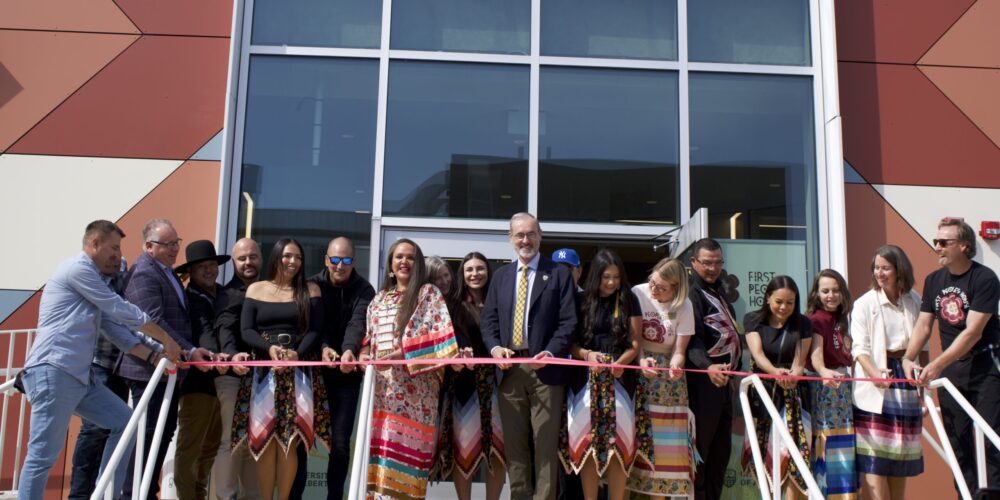
On May 1, the University of Alberta announced a partnership with the Canadian Strategic Missions Corporation (CSMC). This followed a $5 million investment by the province of Alberta to fund further research into nuclear energy. The U of A will become home to a prototype microreactor through a $10 million iniative to construct the reactor.
The prototype microreactor will use a conventional heater in place of nuclear material. The initiative serves as an important step towards building out Alberta’s nuclear energy infrastructure and strengthening nuclear energy research at the university.
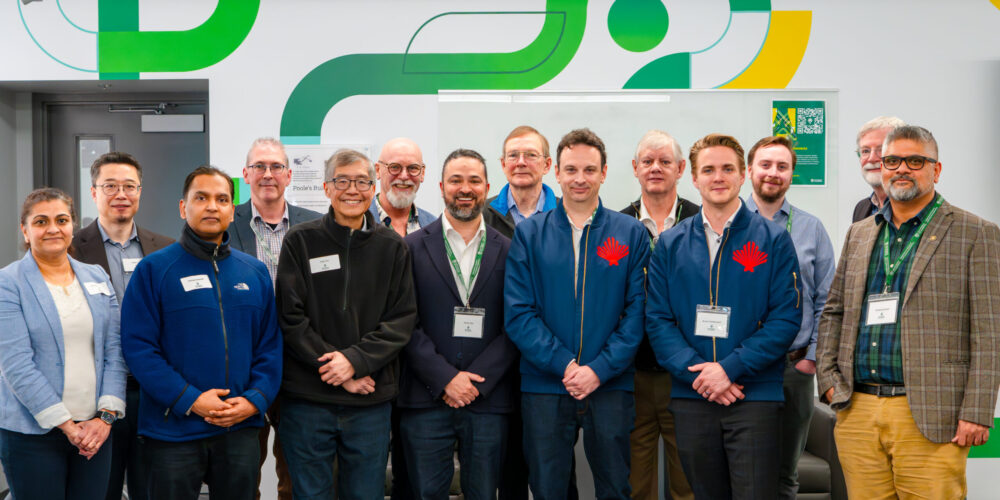
Ying Tsui, a lead on the project, is a professor in the department of electrical and computer engineering at the U of A. His research focuses on the interaction between high-intensity lasers and matter, with nuclear energy as an application area. Tsui is also a lead researcher on the Advanced Nuclear Energy Initiative (ANEI) at the U of A.
According to Tsui, the prototype is a non-fuelled microreactor that will produce heat and electricity without the use of nuclear material. Normally, nuclear material in a reactor undergoes fission, generating a lot of heat. The heat generated is transferred to water within the reactor, serving as a source of heat and electricity.
A microreactor is built as a more compact nuclear reactor designed to provide electricity and heat to isolated locations such as northern communities and military bases. According to Tsui, most microreactors generate power in the range of a few kilowatts to 10 megawatts. “They are easier to build somewhere and then take to a different location,” Tsui said.
The prototype microreactor will be built by the CSMC and shipped to the U of A.
“If you have a real nuclear reactor, you never want to open it up until there’s some accident,” Tsui says
The planned prototype microreactor will bolster nuclear energy research at the university. Due to Alberta’s large oil and gas sector, the U of A is a leader in hydrocarbon energy systems. Additionally, initiatives such as Future Energy Systems and nanotechnology research through the Nanotechnology Initiative strengthen the U of A’s involvement in emerging clean-energy technologies.
As “hydrocarbon energy, renewable energy, and nuclear energy are the three big energy system pillars,” Tsui believes this project augments the U of A’s leadership in energy and environment.
Tsui also pointed out the importance of the prototype microreactor for student training and development. He compared the hands-on experience with the prototype to a physical simulator used by pilots in training. The absence of nuclear material provides the safety required to adequately study the system.
“If you have a real nuclear reactor, you never want to open it up until there’s some accident,” Tsui said.
Students and faculty from different disciplines will study the prototype to improve future microreactor designs. Specifically, the faculty of science will study the physical principles, and the faculty of Native studies will study the impact of these technologies in northern communities.
“We need to have social science people to understand the impact of a new energy source in those communities,” Tsui said.
Microreactors could power remote civilian and military infrastructure
For remote communities that currently rely heavily on diesel for energy, Tsui believes microreactors might be a cheaper alternative. Diesel transport by plane to remote communities is expensive, coupled with the need to refuel weekly or monthly, depending on usage.
According to Tsui, when it comes to energy density, “nuclear fuel is orders of magnitude higher than fossil fuel.” In other words, a microreactor brought to a remote community could last much longer, potentially up to 10 years before needing to be replaced.
The role of nuclear energy extends beyond civilian use into military utility. Military bases in the north “run into the same situation like the northern communities,” Tsui said. Microreactors can similarly be used to sustain military infrastructure in remote bases and bolster national security.
The prototype microreactor is expected to be an important step towards building a future nuclear reactor in the province.