Book Review: ‘Black Girl in the Ring’ by Dolores V. Mullings
Thought-provoking poems that challenge narratives we’ve been hesitant to question.

 Supplied
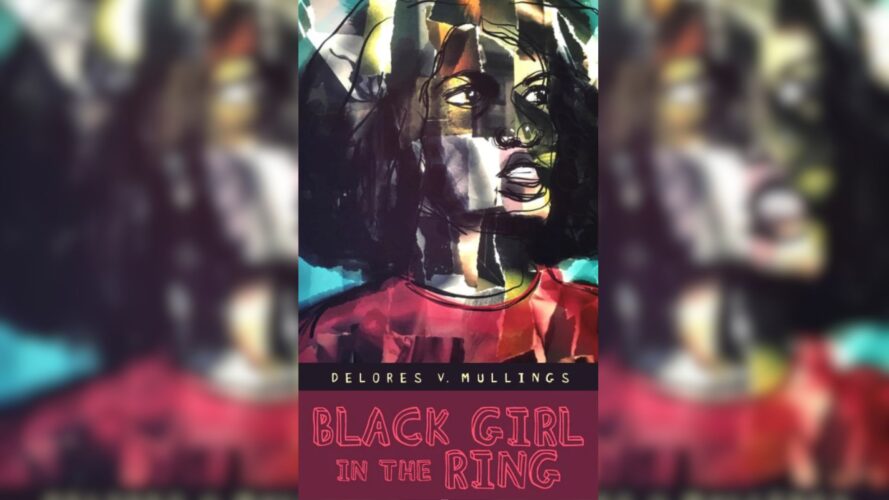
Black Girl in the Ring is a collection of poems that demonstrates how themes of nature, grief, and perseverance intertwine. Written by Jamaican-Canadian author Delores V. Mullings, she uses a wide arrangement of writing styles to illuminate insight into accepted societal standards.
A central theme of the book is Black perseverance, specifically against ideals of white supremacy. The first poem that conveys this is “Eat Their Young,” a commentary on how a large portion of modern culture was created by minorities, yet is exploited by white communities. In particular, white people have a tendency to “echo borrowed words gifted by Black and Indigenous keepers.” Performative concern for efforts such as truth and reconciliation and anti-racism conceal white people’s oblivion to events that continue to hurt these communities, like violence. The poem ends with the quote “It’s not personal,” demonstrating how individuals who suffer from prejudice are often pressured to forgive instances of racism. “Tell Me Why” similarly draws on the topic of cultural appropriation. White communities use Black culture because of their appeal, yet ignore instances of Black suffering.
Performative activism is a topic that is continued in “Propping up White Supremacy.” This poem is a stand-out because of its upfrontness and willingness to dive into controversial themes. Mullings directly holds white women accountable for upholding detrimental systems that disadvantage them as well as Black women. Lines such as “You chicks know the rules / laid down by your men” highlight how women recognize societal expectations, yet frame conforming to them as empowerment, calling it “girl power” or “sisterhood.” “White-Gurl Politricks” echoes the theme of activism only taking place when it is convenient. This poem, as well as a few others, is written in Jamaican Patois. This change in writing from standard English to Jamaican Patois effectively centres Black perspectives throughout the book and emphasizes Black identity. The poem criticizes allyship that lacks genuine nature, and is merely performative.
“Black Lives Do Matter” is a highlight in the collection. The poem illustrates the reality that fighting against societal perceptions is exhausting and easier said than done. Trying to reject the stereotype of Blackness associated with crime and violence is difficult to do when it is a belief so ingrained within society. It questions how much this perception should be challenged, when it is clear that racism-driven violence continues to be a problem, despite efforts to minimize it.
Black Girl in the Ring also focuses on other themes. The navigation of grief is one that is touched on in “Thirty-Six Hours,” telling the story of a family member’s death. Mullings beautifully uses imagery to convey emotions, and the sudden feeling of numbness associated with loss. The theme continues in “The Visit,” which describes the loss of a child. Grief is a difficult topic to tackle in writing, yet Mullings accomplishes the emptiness associated with grief perfectly.
Overall, Black Girl in the Ring is an excellent assortment of poetry. In particular, elements of nature are written in ways that contribute to audience understanding, and enhance the beauty of the collection. Many poems are entirely focused on an aspect of nature, such as fireflies, the sun, and freezing rain. What made many of these poems so impactful and enjoyable to read was the fact that many were very short. This allowed the poetry to be direct, prioritizing emotional impact and catharsis. However, some poems did seem arbitrary in respect to their themes, and felt out of place. Sometimes the prioritization of trying to be philosophical caused poems to lack actual substance and lose focus.
Nonetheless, Mullings’ collection of poems in this book are powerful, and show her range of addressing a multitude of themes.