
 Peris Jones
If University of Alberta Students’ Union (SU) presidents were elected on vibes alone, this race would be settled by who can say “mobilization” the loudest. Unfortunately (or fortunately), the job actually involves reading funding models, leading a team of four other executives, sitting through Board of Governors meetings, and convincing people with budgets to move money.
This year’s presidential race offers students two very different models of leadership. One promises disruption and visible confrontation. The other offers experience, institutional memory, and relationships already built across government and university administration.
In a year defined by tuition pressure, calls for residence restructuring, transit safety concerns, and unstable provincial funding, experience is not just an asset. It is leverage. That is why Abdul Abbasi stands out as the stronger choice.
Abdul Abbasi
Abbasi is not running on theory. He is running on record. After two terms as vice-president (external) (VPX), he enters this race with direct experience advocating to municipal, provincial, and federal governments. That matters in a presidency that functions largely through negotiation.
Throughout the forums, Abbasi consistently returned to one idea: advocacy must be strategic. Public pressure is a tool. Mobilization is a tool. But neither replaces policy work, lobbying, or coalition-building. That framing reflects a grounded understanding of how the SU actually secures wins.
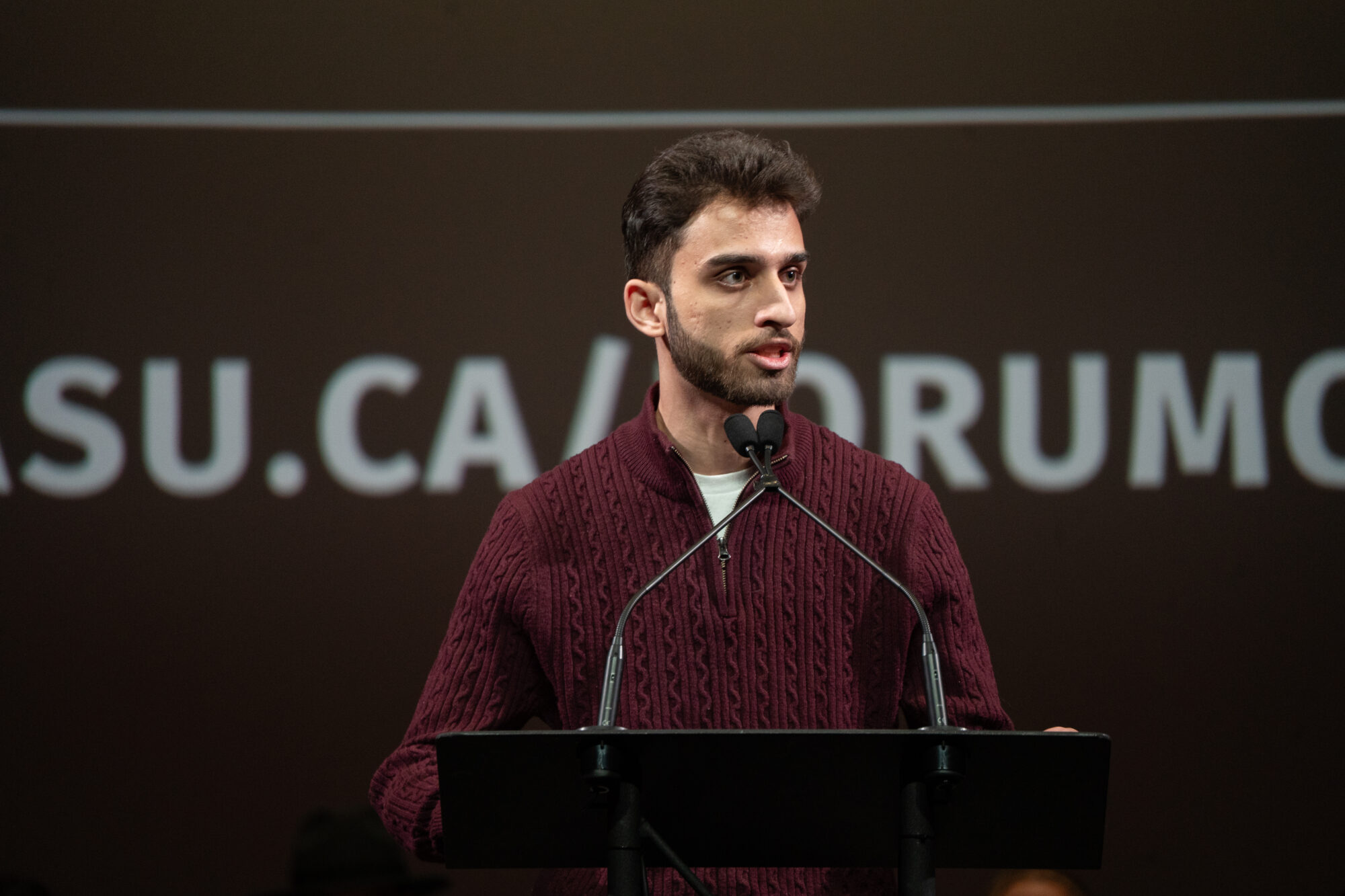
He also emphasizes small, practical improvements that shape everyday campus life — accessible microwaves, functioning water fountains, portable chargers, and clearer academic complaint pathways. These are not glamorous promises. They are tangible, achievable fixes to the friction students actually encounter.
On affordability, Abbasi’s campaign avoids empty absolutism. He acknowledges the structural drivers behind tuition increases and focuses on sustained advocacy paired with internal accountability. Rather than framing tuition as something the president can simply “stop,” his platform outlines continued pressure on operating funding and pushing the university not to increase costs further, where possible. It is not flashy, but it reflects how institutional change actually occurs.
Housing follows a similar pattern. Abbasi has committed to reviewing rent rationalization policies and working directly with residence associations to ensure pricing reflects quality. That approach signals consultation and policy review rather than broad condemnation. Residence concerns are real. Reform grounded in structured review is more likely to last.
Perhaps most importantly, Abbasi frames the presidency as co-ordination. He consistently emphasizes supporting his vice-presidents, aligning executive goals, and strengthening communication between the SU and faculty associations. The presidency is not a solo act. It is an organizing role. His campaign understands that.
Abbasi’s platform is not built on viral pledges. It is built on governance refinement. In a year when students are exhausted and financially stretched, that seriousness has value.
Joseph Sesek
Joseph Sesek’s campaign is rooted in urgency and visible action. He has centred safety, representation reform, and library access in his messaging. His tone is direct and often confrontational. For students frustrated by tuition hikes, residence concerns, and perceived administrative inaction, that energy is appealing.
He has pledged structural changes such as permanent representation reforms and expanded security measures. He has also promised visible change almost immediately upon taking office, suggesting he would begin addressing major issues within the first week of being president-elect.
This is where the campaign raises concerns.
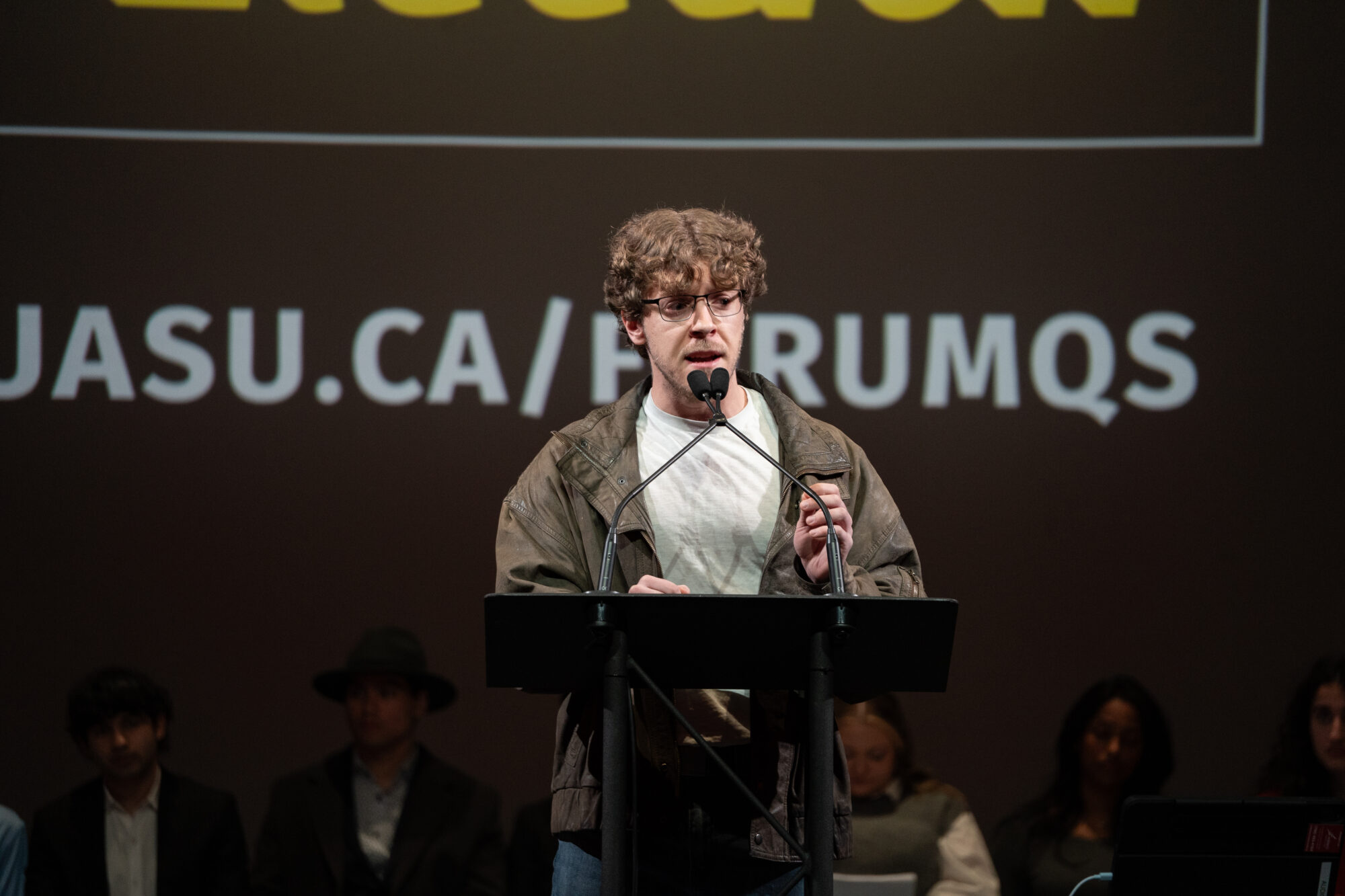
The presidency does not operate on a one-week turnaround. Governance changes require bylaw amendments, committee review, consultation, and often referenda. Library hours depend on budget approvals and negotiations with university administration. Security infrastructure changes require institutional buy-in and cost assessments. Even well-supported reforms take months.
Promising visible structural change within a week signals either overconfidence or a misunderstanding of institutional process. Momentum is valuable. But durable policy shifts cannot be executed unilaterally by a president-elect. Furthermore, for a candidate who has currently done very little consultation with the student body, achieving changes within the first week is overzealous.
Similarly, proposals framed around dramatic gestures — such as symbolic salary reductions tied to specific initiatives — generate attention but do not address systemic funding constraints. Executive compensation exists to ensure leadership roles remain accessible to students from diverse socioeconomic backgrounds. Turning salary into a performative lever risks oversimplifying complex budget structures.
Sesek’s campaign frequently returns to mobilization as a strategy. Mobilization has its place. Student governments can and should apply pressure when necessary. However, mobilization without detailed governance planning risks producing spectacle rather than structural reform.
To his credit, Sesek identifies real issues. Safety concerns are legitimate. Representation debates matter. Library access affects students directly. But identifying problems is only the first step. The presidency demands operational planning, sustained negotiation, and procedural literacy.
Who should win?
This election asks students to decide what kind of leadership they want in a complex policy environment.
Abbasi offers continuity, but not complacency. He offers relationships already built with decision-makers. He offers a demonstrated ability to translate advocacy into funding. Most importantly, he understands that institutional change is rarely loud. It is often incremental, technical, and negotiated behind closed doors.
Sesek offers urgency and disruption. For students seeking visible confrontation, that may appeal. But in a year where operating grants, tuition frameworks, and residence policy reviews will require careful, sustained engagement, experience carries weight.
The presidency is not a protest platform. It is an executive office embedded within layered governance systems. On balance, Abbasi demonstrates the preparation, connections, and strategic literacy required to navigate those systems effectively.
For students prioritizing readiness on day one and proven capacity to deliver, Abbasi is the stronger choice.