 Peris Jones
With election day coming up, vice-president (external) (VPX) candidates are running pretty tight together. Rodenbush has been trailing behind, but Chauhan and Raina have been consistently close. All three candidates made similar promises at times, unique ones at others, but altogether often didn’t seem to understand the position. Throughout the campaign, though, Chauhan and Raina began to understand their position. And, they began to advocate in a way that would allow for their promises to be met.
Arman Chauhan
Chauhan, current Organization for Arts Students and Interdisciplinary Studies (OASIS) VPX, has experience, fresh ideas, and some genuine plans to meet her goals. A lot of her plans already have momentum. This could be described as piggybacking at times, but with the uniqueness of her goals and plans, I think it’s more strategic. The main things she wants to tackle are affordability, safety, and advocacy for international and Indigenous students. While these are all very similar to the other candidates, Chauhan has a different approach to each one. And this makes her stand out.
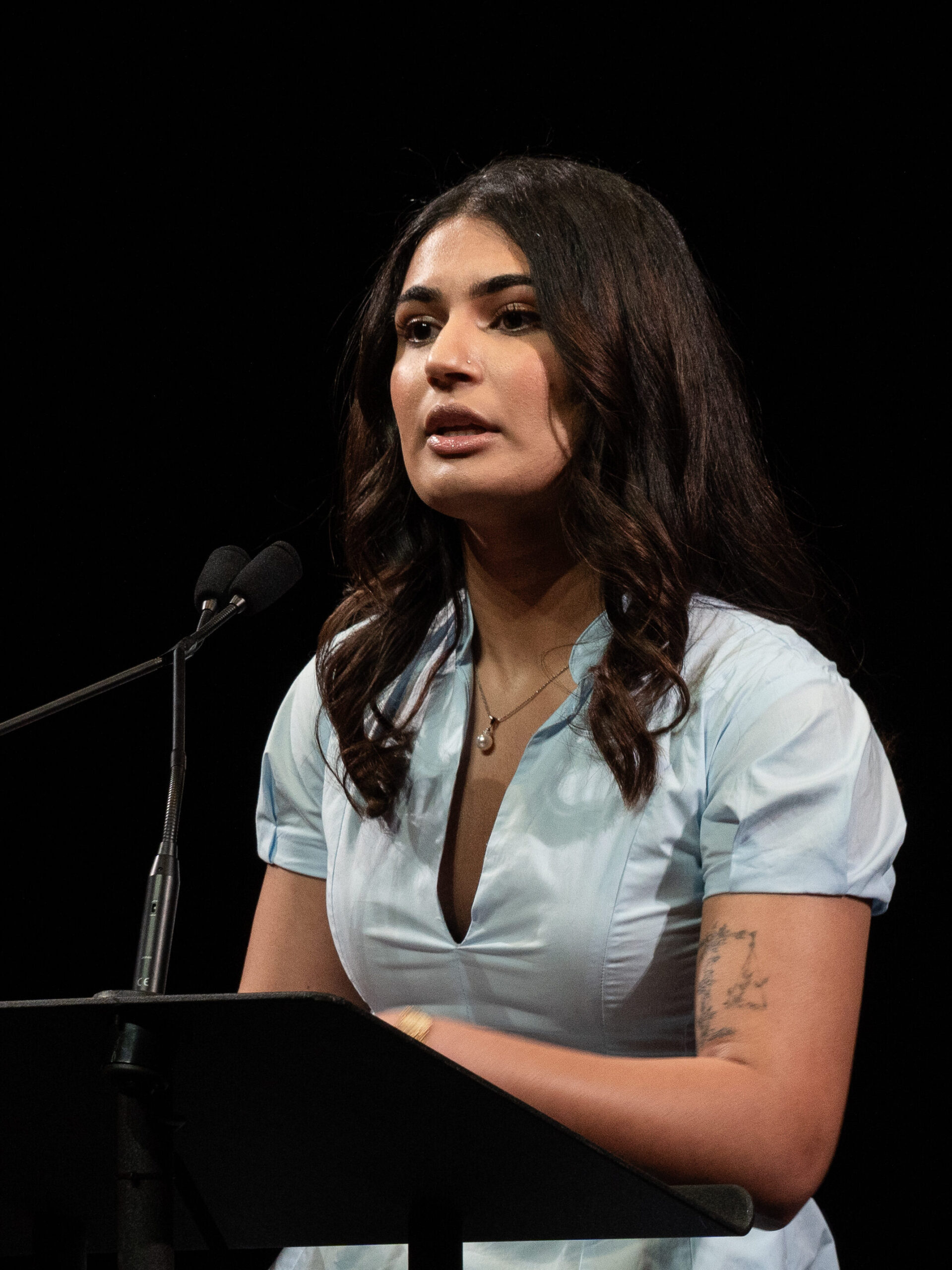
For safety, she plans to push for the beautification of transit areas, which, as she’s said, does improve safety. With the Downtown Action Plan Fund on the move, this is a great ongoing project to get in on. In her plans to advocate on behalf of international students, she’s planning to get in Abbasi’s slipstream, advocating for U of A international students to get double points for Canada’s Express Entry system. While this is something she started to talk about late in the campaign period, it’s a big platform point. For Indigenous students, she wants to advocate for open educational resources, which she said will help Indigenous students struggling with late band funding. This idea would positively impact the entire student body. It’s a great goal to put forward.
With this being said, Chauhan has struggled communicate the best pathways to achieving these promises. The goals she has make sense, but without a clear plan on how to achieve them, her campaign falls short. The VPX position isn’t just about identifying the problems. It’s about finding the right pathways to convince governments to help with the solutions. But she definitely was not the only one with this problem.
Angel Raina
Raina has had consistent growth throughout her campaign. While other candidates said they can’t fix every problem, Raina looked at how she can mitigate their effects. Her ability to think outside the box and not give up made her stand out. But she did have one main issue. Throughout her campaign, while her goals are always good, at times, they were under-researched.
Her main goals throughout her campaign are affordability and safety. She’s been very clear about her desire to take up the reins and continue Abbasi’s push for the expansion of the Leisure Access Program, which would help with affordability, and is already on the move. For safety, she plans to maintain the transit coalition.
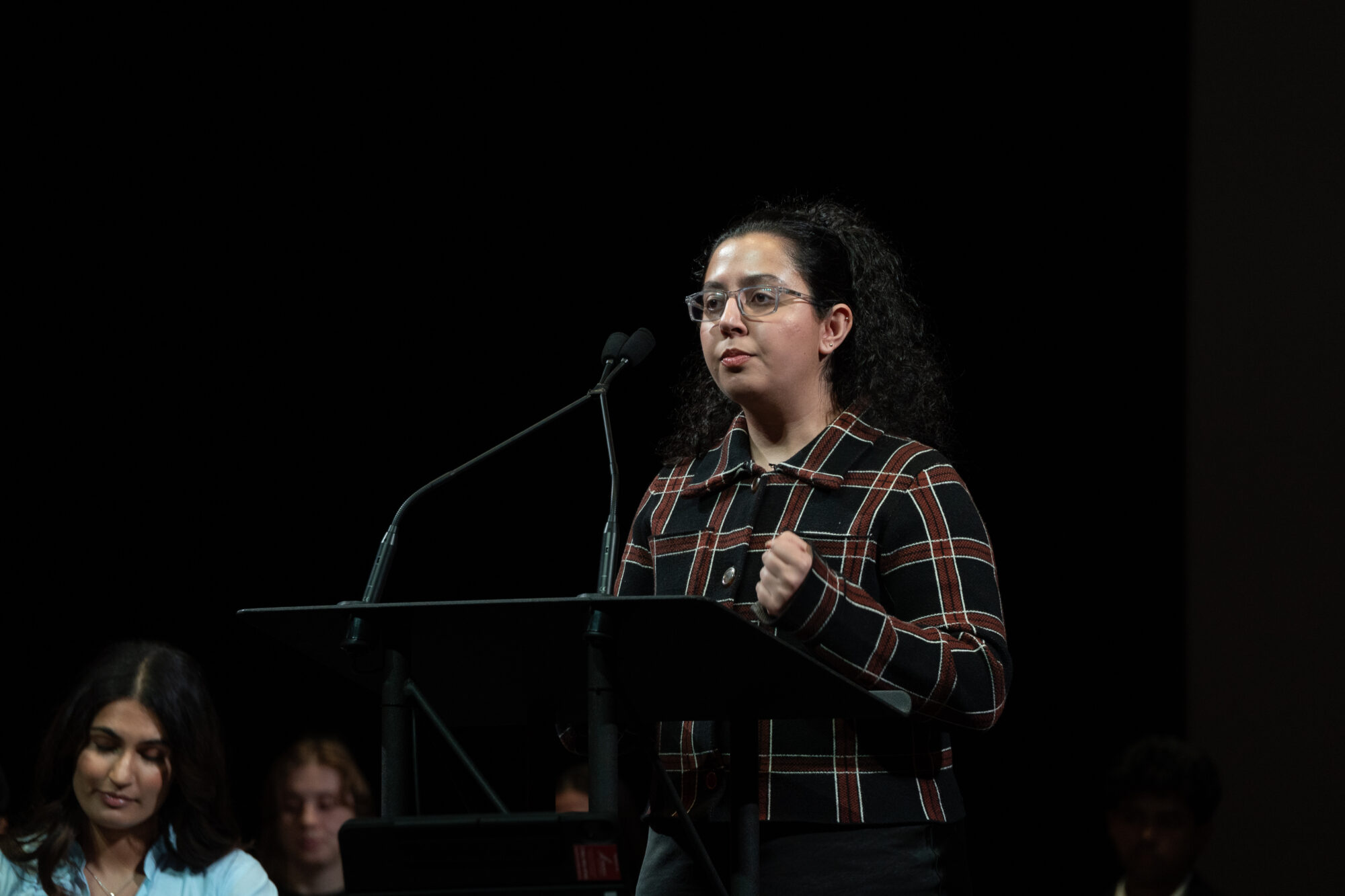
For affordability, one of her other main campaign points, her promises fall a bit flat. She said she plans to advocate for more scholarships and bursaries for students to take advantage of. But to tell everyone you plan to ask for money is easy. It’s actually pinpointing who will give you money that’s hard.
Overall, throughout her campaign, Raina honed in on her promises and goals. She showed real growth and consideration of what she plans to do. She didn’t just throw ideas into the crowd. While she did get a bit overconfident at times, like saying she plans to re-create an organization similar to the Crisis Diversion Team, despite its existence, she would come back with more knowledge and with a more thought-out plan.
Alongside this, Raina was the most consistently aware of the VPX portfolio. Running on wanting to work with the rest of your team should be a basic campaign point, but with everyone else seemingly struggling to understand the portfolio, it’s necessary.
Dustin Rodenbush
Rodenbush stood out for his plans to keep his advocacy close to home and the direction he took. A big issue throughout his campaign was his struggle to understand his portfolio. However, when he stayed within his portfolio, his goals were doable, and he remained consistent throughout his entire campaign. His main points were heavy on affordability and safety. What really pulled him out of the race was his lack of plans for other campuses and his lack of effort to get in touch with representative groups.
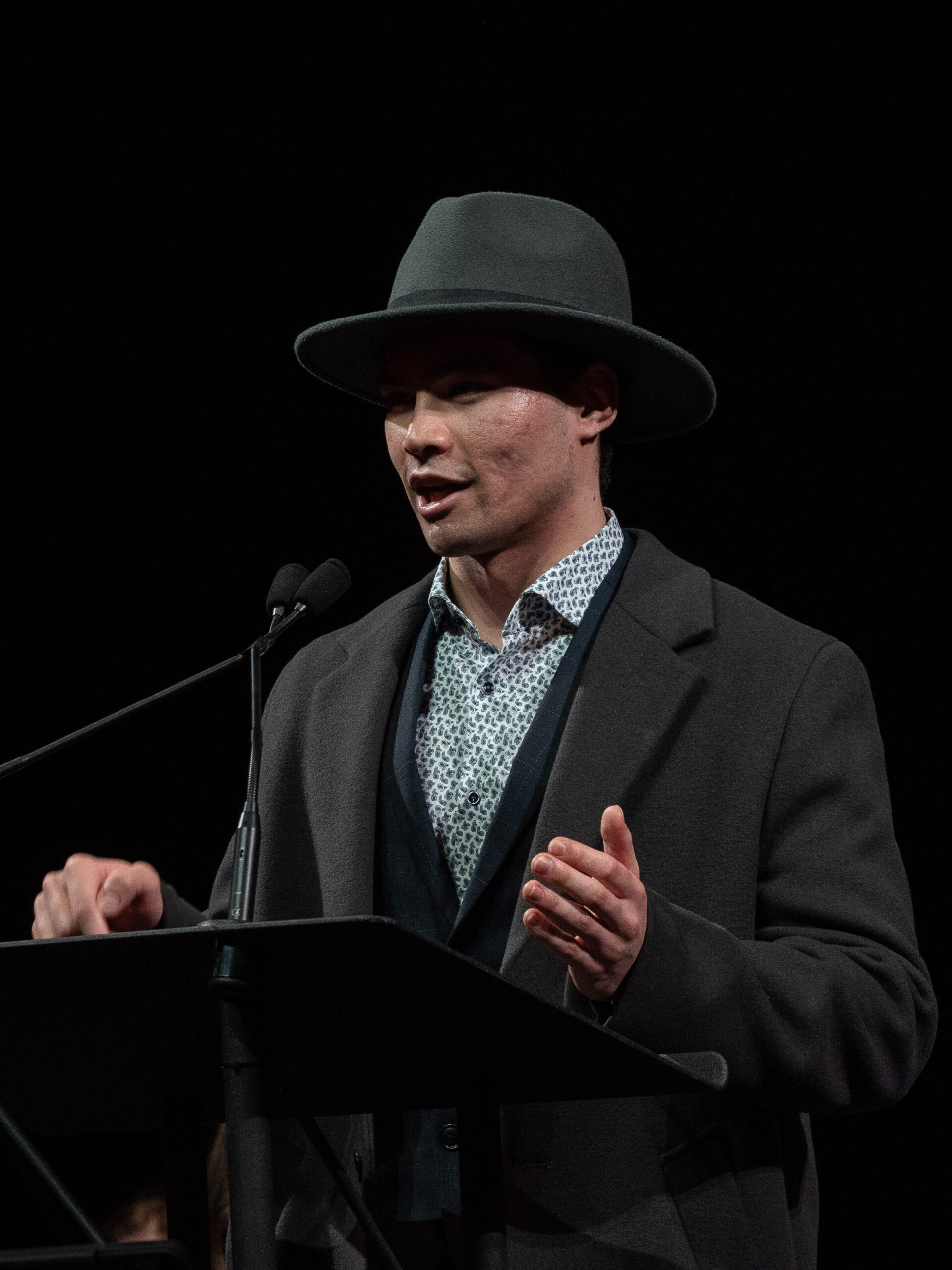
Rodenbush planned to advocate against student grant cuts, increased entry-level jobs for new graduates, and the reallocation of funds put towards the Butterdome’s redesign. The latter points to a larger issue in his campaign. Rodenbush often struggled to get the facts right, having to pivot and correct himself throughout the campaign. Saying he wants to reallocate the funds for the Butterdome redesign or change the project when it’s well underway demonstrates his lack of awareness around what levers he can actually pull. Small missteps like citing incorrect unemployment statistics or saying he would work with a dead advocacy group only add to this issue. Those missteps quickly became a red flag.
He did bring a new approach to safety and transit. He focused on advocating for escalator maintenance times in transit areas to be done at more convenient times for students. No one else brought this up. Sure, it might not be the magic solution to safety on transit, but it’s something fresh to bring to the table. He also stated his intention to increase cell service access in transit areas as well. His plans to lobby for increased scholarships and bursaries and cell service in transit areas are things Abbasi was working on, which means he could pick up on his momentum.
Who should win?
All things considered, Raina is the best choice for VPX. But not by much. Rodenbush’s lack of effort to get involved and informed edges him out. However, Chauhan still is very much in the race. Raina comes out on top because of her awareness of alternative avenues to lessen and mitigate the effects of issues. Her awareness of the SU as a whole shows promise as well. While it is close between Chauhan and Raina, it’s Raina’s attention to detail in operational aspects regarding the position that puts her on top.