 Peris Jones
The race for Board of Governors (BoG) representative has been a slow burn. Early debates felt predictable as candidates circled the same themes of transparency and student voice. But as tuition trade-offs, immigration caps, and message strategy entered the conversation, the tone shifted. What began as shared values became a test of strategy. Now, with the final forum behind us, the differences are no longer subtle.
Amaan Khan

Khan’s campaign has been built on consultation, relationship-building, and bringing “cold, hard data” to the Board. He frequently references ongoing work with administrators, including the dean of students, positioning himself as someone already operating within governance structures. The proximity has been a strength of his and shows an understanding of institutional governance structures.
At multiple forums, including the final one, Khan often returns to his core themes: consultation, transparency, and data. When pressed by The Gateway to name one specific change he would influence, and how students will be able to measure it, his response once again emphasized structured reports and social media transparency with a goal in educating students on what the BoG representative really does. Khan was unable to supply specifics to the “how” portion of this question.
Khan has a vision and clearly cares about providing the Board with concrete data coming directly from the student body. But throughout this race, that vision has lacked the tailored sharpness needed to complete his goal of educating students on what the Bog rep even does.
Janardhun Alagarsamy Vignesh
From the first to the last forum, Alagarsamy Vignesh has maintained the same three pillars: oversight, sustainability, and advocacy with purpose. He has consistently applied them to the specific audience in front of him.
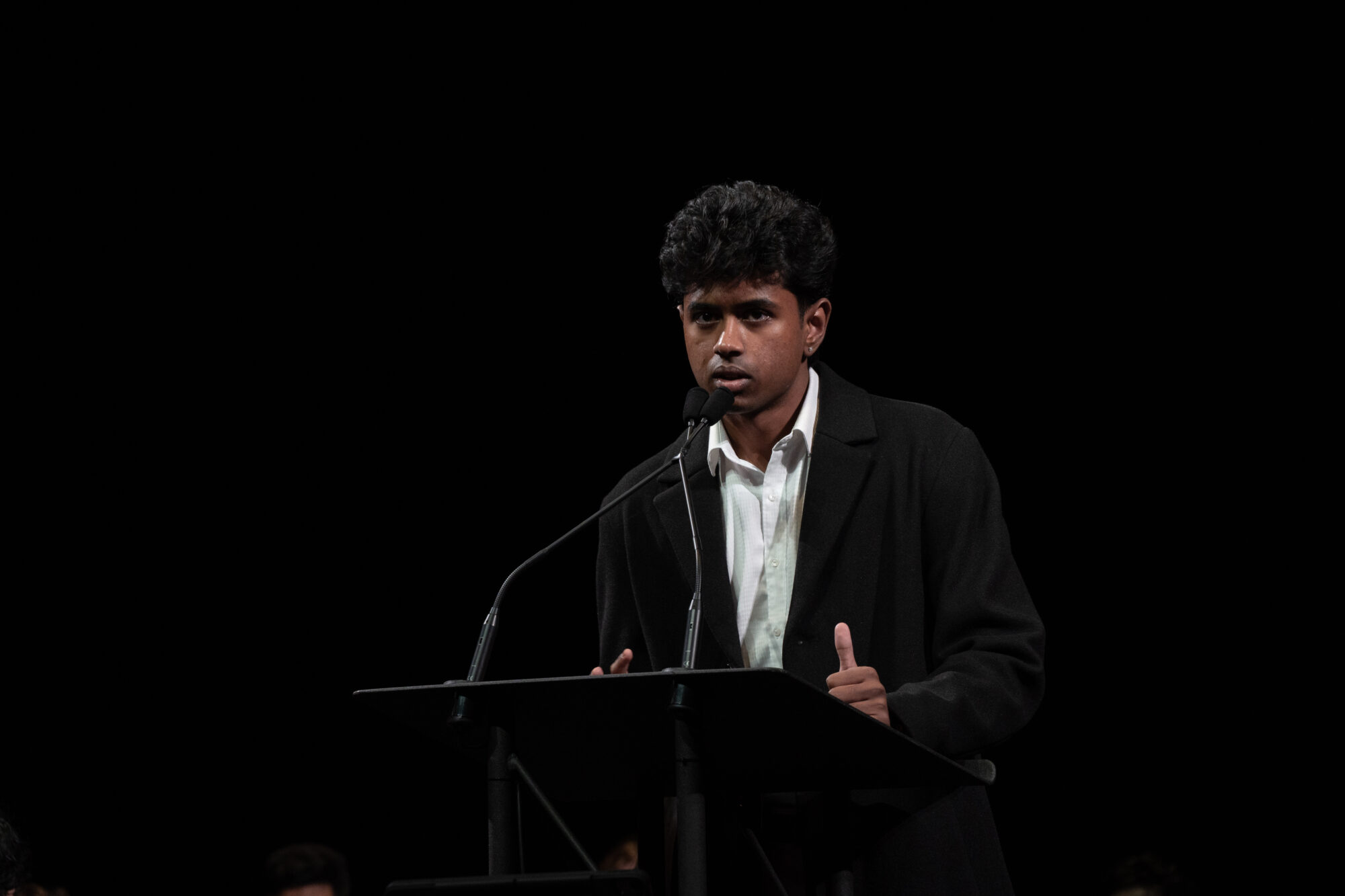
At the Campus Saint-Jean (CSJ) forum, those pillars translated into structural critique around housing, food insecurity, and francophone inclusion. At the International Students’ Association (ISA) forum, they gained oversight of tuition revenue models and visa backlogs. During the final forum, they surfaced concrete proposals again; an escalation and triage system for student concerns, categorized by urgency and tracked through to resolution.
When asked what he would expect in return for tuition increases, his answer was direct: money must “go back into students’ pockets,” whether through residence improvements or mental health support, the framing stayed grounded in impact rather than abstraction.
His responses are never flashy and always methodical; he answers directly and adapts his pillars to the context, maintaining thematic coherence.
Tala Mojarrad
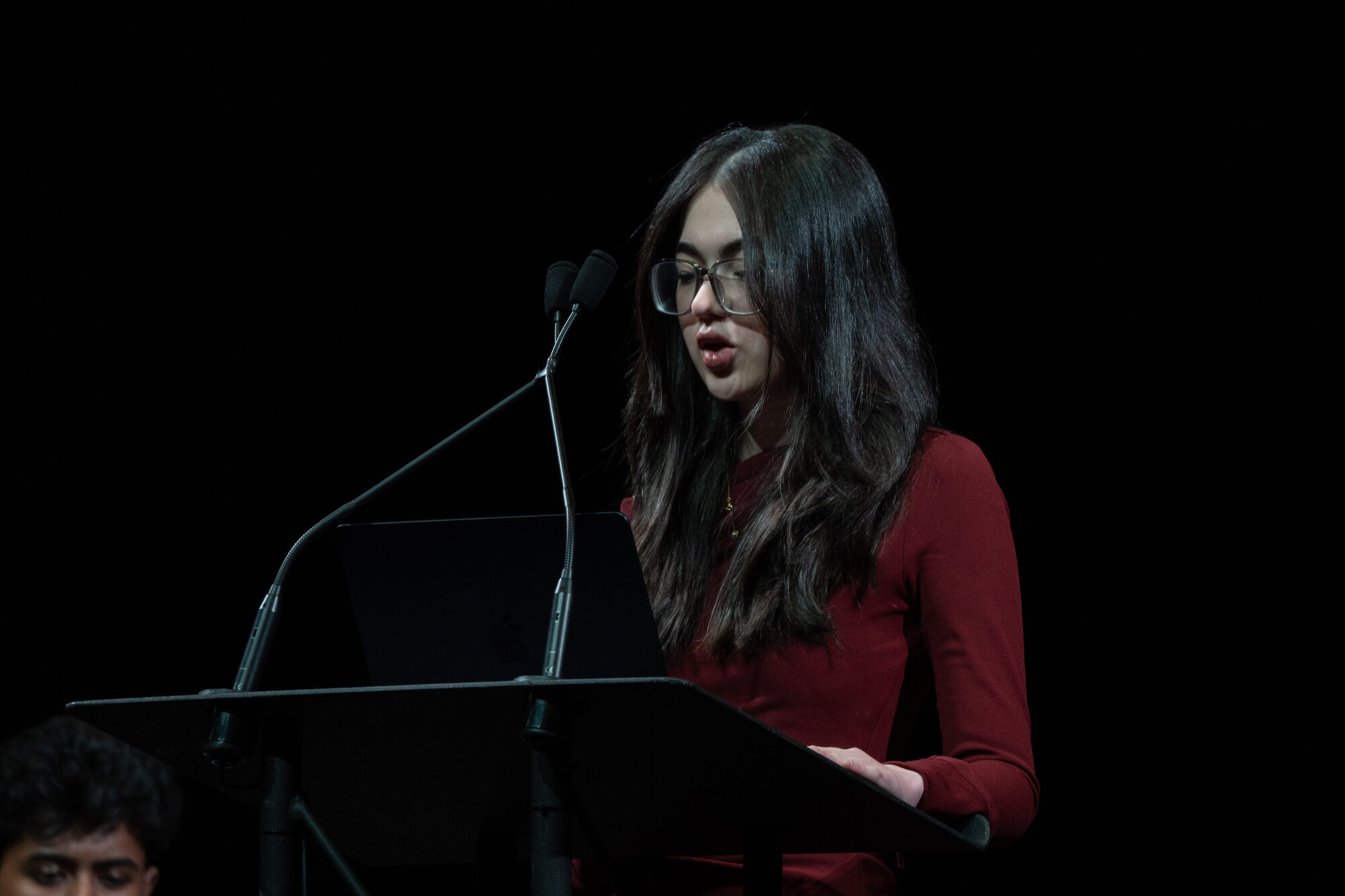
Mojarrad has run a campaign rooted in lived experience. Across forums, she has consistently emphasized accessibility, resource awareness, and documentation. Her documentation platform is repeatedly cited as a core priority. It is an ambitious premise, but throughout the forums has been difficult to fully grasp. Explanations of the platform have shifted between reporting tools and an advocacy mechanism without clearly defining a structure or governance pathway. At multiple forums, including the ISA and the Myer Horowitz, the concept surfaced more as an idea than an operational plan.
Mojarrad also frequently leans into personal narrative. While her stories about struggling to access resources or navigating financial precarity resonate emotionally, they sometimes consume time that could be spent outlining her ideas of structural solutions. In answering The Gateway’s questions about one measurable change, her response re-highlighted her idea to utilize social media as a way to communicate with students. Mojarrad’s strength is urgency and empathy. Her challenge lies in translating that urgency into concise, board-ready proposals.
Who should win?
Early in the election cycle, the candidates’ platforms often sounded interchangeable: transparency, consultation, and inclusion. As the forums progressed, the differences definitely became clearer. After the final forum, Alagarsamy Vignesh remains at the forefront of the race, while Amaan Khan and Tala Mojarrad continue to articulate strong intentions that sometimes struggle to land with precision.
Alagarsamy Vignesh has three pillars that don’t just function as slogans; they function as frameworks. His answers remained direct and used his time well to build off what he said from forum to forum. The BoG representative’s seat demands patience, precision, and an ability to operate inside complex institutional systems without losing sight of students. Over the course of this race, Alagarsamy Vignesh has consistently shown that readiness.