The world should choose physical media
Physical media is giving Gen Z a taste of independence from the digital world. Even though digital is easier, it doesn't mean better.

 Christina Varvis
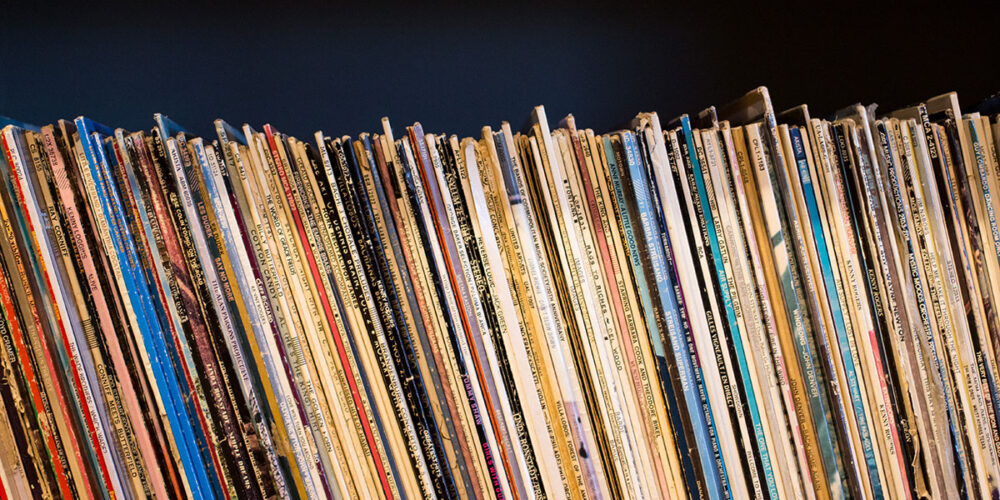
For years, streaming has dominated the current media landscape, but Gen Z is now fighting back with physical media. People are dusting off old DVDs, using their parents’ old Walkmans, or buying physical copies of video games. As someone who collects physical media, I find this change exciting. Streaming has its perks, but owning your own physical media gives you autonomy in a fast-paced digital world controlled by corporations.
Streaming promises a luxury where you get these vast libraries of content for a low price, or even for free. However, you might be giving up more than you realize with streaming. You could be paying a small price every month now, but that charge adds up. Without noticing, you could be spending hundreds or thousands of dollars on streaming services you barely use. Companies like subscription models because it consistently produces revenue, but for the consumer, it ties them down to the service. With all that money you’re spending on streaming, you would expect to own the media you are paying for. In actuality, you only own the ability to access media under your subscription service. This is also the case with other digital media like video games and music. This means watching whatever you want, whenever you want, and sharing it with whoever is not an option with digital media.
Owning your media now more than ever protects you from the decisions of companies about how you enjoy media. Streaming services often lose the media they carry, even media they market as exclusives for the service. This has happened to several Netflix originals. Netflix acquires the exclusive rights to stream certain TV shows or movies, and those licensing agreements expire. This causes that media to be essentially lost besides the physical copies — if they exist. If all that media is digital, then companies have a heavy amount of power over content.
Playstation recently announced that by January 2028, their releases will be digital. This shift seems reasonable at first as most Playstation users buy their games online anyway. However, there are already concerns that shifting to digital could lead to the formation of a monopoly. If Playstation games are only available digitally, then Playstation alone chooses how much you have to pay for their games. Physical retailers prevent this from happening by offering different prices, especially for used games. Buying physical copies allows you a sense of autonomy when companies can make the media you love disappear or too expensive.
It’s not like physical media doesn’t have its own drawbacks. The start-up costs for physical media are not cheap. CD players regularly cost more than $20, and trying to find an affordable, good-quality record player or DVD player is difficult. Thrift stores are an option, but no one wants to spend $50 on something that might not even work. Under these conditions, I understand if most students still want to continue streaming.
Physical media offers a break in a digital world that constantly makes you go a mile a minute. It asks you to consume media slower — makes you wait. In today’s world, this is really important. Companies are continuously trying to fast-forward our lives and make us endlessly consume content. The physicality makes media an event rather than just content. For Gen Z, slowing down is one step towards regaining control in the ever-evolving digital age.