Travelling is harder now, but it can still be fun
Summer is the best time of year to travel, but whether within Canada or not, travelling might dent the wallet more.

 Maria Elena Zuñiga
Many University of Alberta students look forward to the summer months, when classes have finished, and the weather finally resembles something other than a frozen tundra. No doubt many are looking forward to travelling and getting out of the city for a while, to de-stress from the demands of school, spend quality time with family and friends, and seek out new experiences and fresh perspectives. However, those considering going to new destinations this summer may be having second thoughts due to the convergence of forces that may make travel more difficult, costly, and unpleasant.
A trip abroad today may make a significantly bigger dent in your wallet. Rising oil prices due to the war in Iran and resulting supply disruptions have led to a surge in air fares. Airspace restrictions caused by the conflict have forced airlines to reroute many flights, causing operational disruptions and pushing prices up further.
Popular destinations are also implementing measures to combat over-tourism, as governments try to welcome visitors while minimizing disruptions to local life. Some approaches involve charging increased entry fees and erecting physical barriers at iconic locations. This often poses a conundrum for travellers. No one wants their experience diminished by hordes of tourists. Quite often, this can take away from the authenticity of the environment and culture a city has to offer. On the other hand, prominent measures to control tourism can make outsiders feel unwelcome and excluded, creating tension between travellers and the local population.
What can one do to mitigate these obstacles while still enjoying the many benefits that travel provides? Adopting a more flexible and intentional approach may help. Rather than pursuing long-haul international trips, a shorter trip closer to home that requires less time and financial commitment can be just as rewarding. Attractions and ticketed experiences are an easy way of making a trip much more expensive than it needs to be. A trip can be much more affordable when focusing on experiencing the place organically. Wandering through neighbourhoods, sitting in a local café, exploring parks and waterfronts can often reveal more about a destination than a packed itinerary of tourist sites.
There is a tradition called flânerie — wandering a city without a fixed destination — that can provide unexpected charms and serendipitous encounters. Discovering a deeper sense of connections to a place was easier without any mandatory visits to so-called “must-see” places. It really creates a more memorable experience all around.
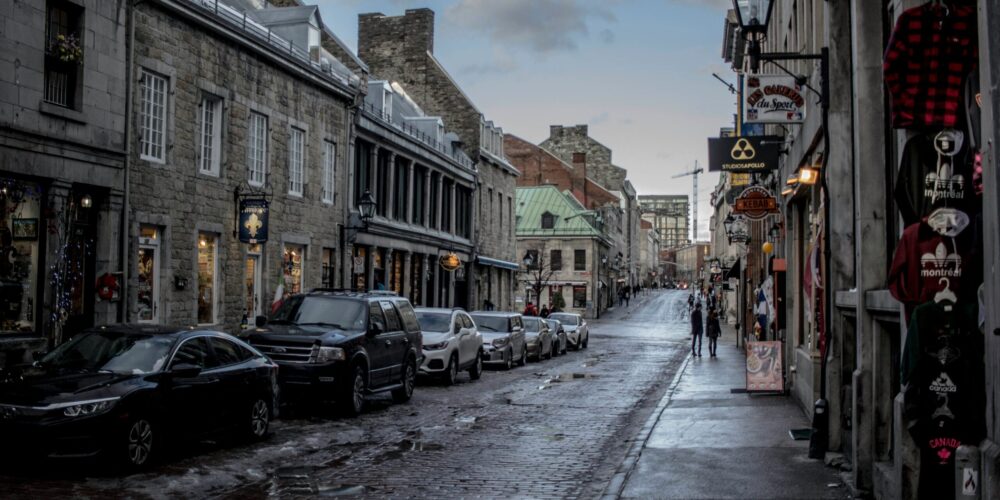
Recently, I found myself in Montreal at the end of an academic conference, and spent two days exploring the city, without any particular plan or itinerary. Walking around, specifically in Old Montreal, I took in its cobblestone streets, stone facades, and impressive cathedrals, feeling myself transported to a centuries-old European quarter. Cafes and restaurants lined the boulevards, with outdoor patios filled with people enjoying an intimate meal in the warm summer evening. The scene evoked so much charm and vibrancy that for a moment that I was completely lost in the rhythm of my surroundings. I nearly forgot the idea of an agenda or itinerary altogether. Such is the power of travel, and it often happens when you least expect it.
So next time you have a few days to spare, why not grab a bag and set out for that place you’ve always wanted to explore — without the meticulous planning and detailed itinerary that can make travel feel like a chore — and see where your fancy takes you?