 Ash Grover
Every year, The Gateway hosts a panel to discuss the University of Alberta Students’ Union (SU) election. This year’s panellists provided their insights on the candidates running, student politics, and who students should vote for in the 2026 SU election. The Gateway interviewed the panellists on Febraury 28.
Opinions expressed by the panellists do not reflect those of The Gateway.
The Panel
This year’s panel included:
- Angelina Botros: first-year pharmacy doctorate student, former General Faculties Council (GFC) and SU councillor from 2024–25
- Brooklyn Hollinger: The Gateway 2024–25 arts and culture editor, former deputy opinion editor
- Karene Kouadio: fourth-year English and political science student, social science councillor for the Organization for Arts Students and Interdisciplinary Studies (OASIS)
The Candidates
Arman Chauhan, a fifth-year sociology student and current vice-president (external) (VPX) for OASIS.
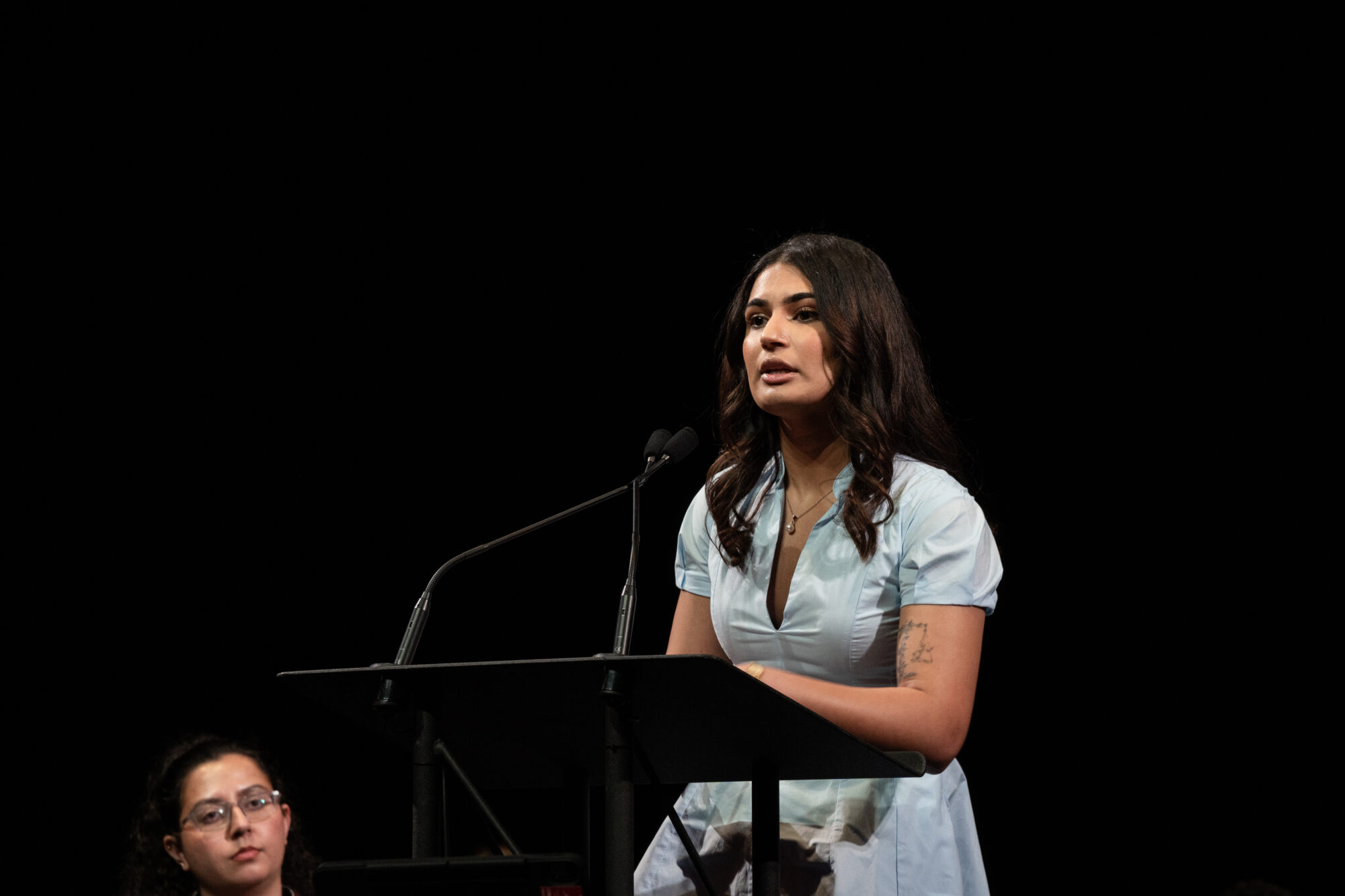
Angel Raina, a fourth-year political science and economics (honours) student, and current speaker of Students’ Council.
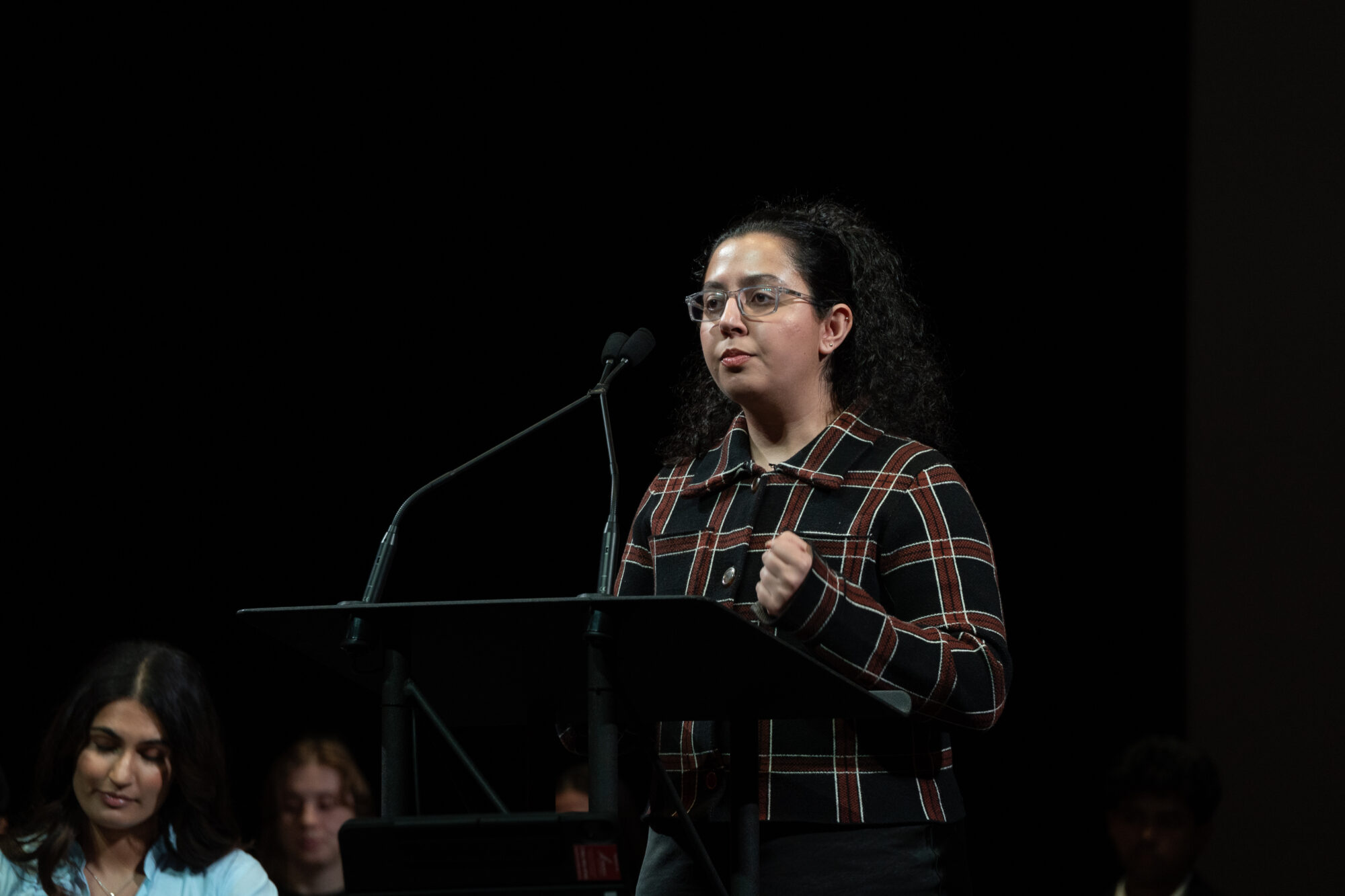
Dustin Rodenbush, a third-year political science student.
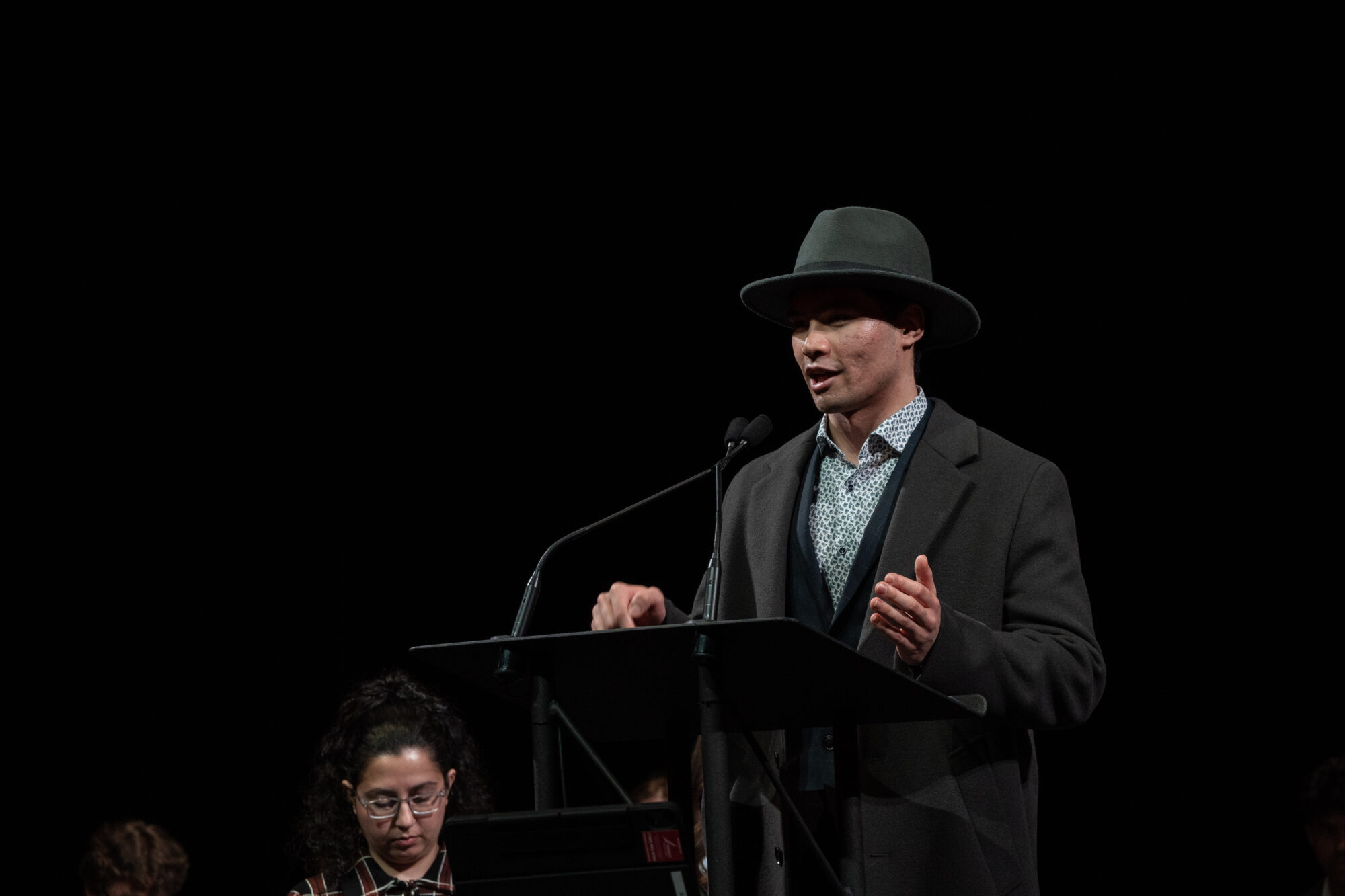
The panellists agreed that the VPX candidates were lacking in terms of social media presence, but Chauhan and Raina stood out with their postering and on-campus presence.
“None of the [candidates] stood out to me too much,” Hollinger said.
Kouadio mentioned that Raina came to one of her English classes to present her campaign.
“It was nice that they were cross-collaborating to showcase their platform,” she said.
Botros said that Chauhan and Raina seem like they know what they’re doing, especially since they have both ran campaigns before.
“I haven’t gotten the chance to see any of [Rodenbush’s] posters yet down in Health Sciences. It would be lovely to get to see them, but I’ve seen [Raina] and [Chauhan], so that is more of a commentary on their reach, as far as [where] they’ve been able to get to on campus,” she said.
“Experience is leveraging these two individuals and it’s making them shine even more,” Kouadio says
In terms of forum performance, Hollinger said that it’s a tough race between Chauhan and Raina. She noted that Chauhan and Raina’s previous experience has become evident in how they’ve presented themselves during the forums.
“I think it’s a tough race because we have two very viable, experienced candidates that I think would both work very well in the role. And then [Rodenbush] who kind of has to up his game a little bit in the forums,” she said.
“Experience is leveraging these two individuals and it’s making them shine even more,” Kouadio said.
Kouadio also mentioned that Chauhan and Raina’s experience makes them known to students on campus, which “gives them leverage.”
“The one thing that really sets [Chauhan] and [Raina] apart is that [Chauhan] already has a plan, it seems like, on how to reconfigure the funds [in terms of] students life,” she said.
Botros said that Rodenbush has faltered a bit in that he has reiterated a lot of his points throughout the forums, and has not tailored them to the different demographics of students that he is looking to represent.
“How can we necessarily trust that he’s going to be utilizing his judgement to represent the different and nuanced version of each student [and] each individual person or party that he’s going to be talking to in regards to specific issues, rather than just from a bird’s eye view,” she said.
“I think both candidates come with very strong ideas and very strong backgrounds, and I think that unfortunately kind of puts [Rodenbush] a few spaces back,” Botros said.
“They both go about it in very interesting and different ways, and that’s what diversifies the both of them,” Botros says
Kouadio said that all three candidates have hopes and ideas to help student life and affordability for students, they just have different plans for execution.
Botros agreed, and said that Chauhan and Raina are “more actionable” in terms of how they are addressing student concerns. She discussed Chauhan’s ideas surrounding partnerships with the City of Edmonton as well as implementing the Mintz Panel recommendations, in comparison to Raina’s collaborative model between public institutions and the province, in addition to working with the Canadian Alliance of Student Associations (CASA).
“They both go about it in very interesting and different ways, and that’s what diversifies the both of them,” she said.
Both Botros and Hollinger noted Rodenbush’s concerns regarding post-graduation employment and increasing job opportunities for graduates.
“Post-grad employment is important, but is that entirely what we want the VPX role to be focusing on?” Hollinger said.
Kouadio critiqued the candidates’ platforms for a lack of focus on underrepresented and underfunded students.
“It seems like all of the money is going to be going to health, sciences, or education. So what is there to say about the rest of us who are in the arts or interdisciplinary studies? What do we do for those students?” she said.
Who will win: two votes for Chauhan, one vote for Raina
Who should win: three votes for Raina