 Ash Grover
Every year, The Gateway hosts a panel to discuss the University of Alberta Students’ Union (SU) election. This year’s panellists provided their insights on the candidates running, student politics, and who students should vote for in the 2026 SU election. The Gateway interviewed the panellists on Febraury 28.
Opinions expressed by the panellists do not reflect those of The Gateway.
The Panel
This year’s panel included:
- Angelina Botros: first-year pharmacy doctorate student, former General Faculties Council (GFC) and SU councillor from 2024-25
- Brooklyn Hollinger: The Gateway 2024-25 Arts and Culture Editor, former Deputy Opinion Editor
- Karene Kouadio: fourth-year english and political science student, social science councillor for the Organization for Arts Students and Interdisciplinary Studies (OASIS)
The Candidates
Amaan Khan, a fourth-year computing science student and a 2025–26 science councillor on Students’ Council.

Tala Mojarrad, a third-year medical laboratory sciences student.
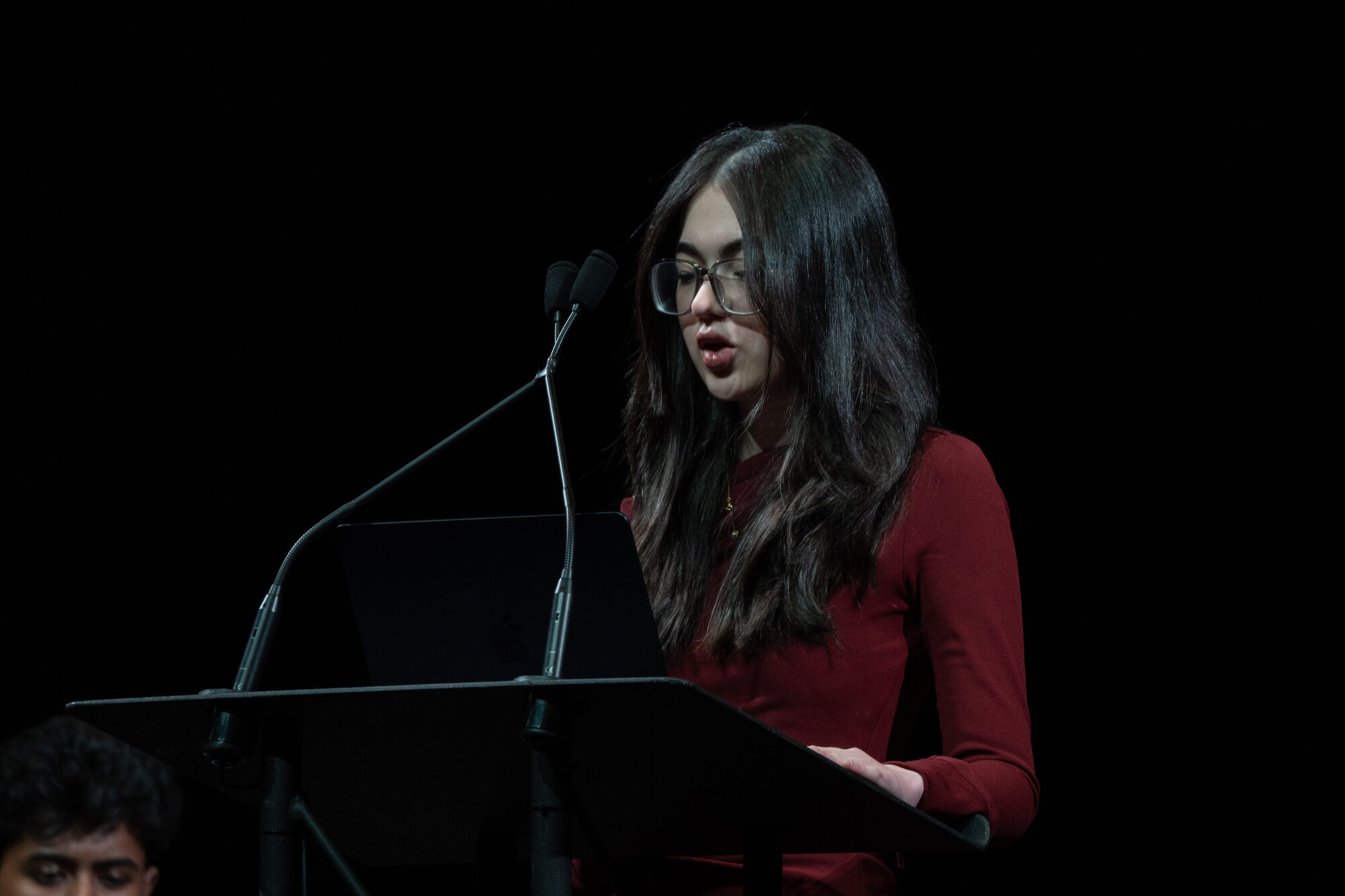
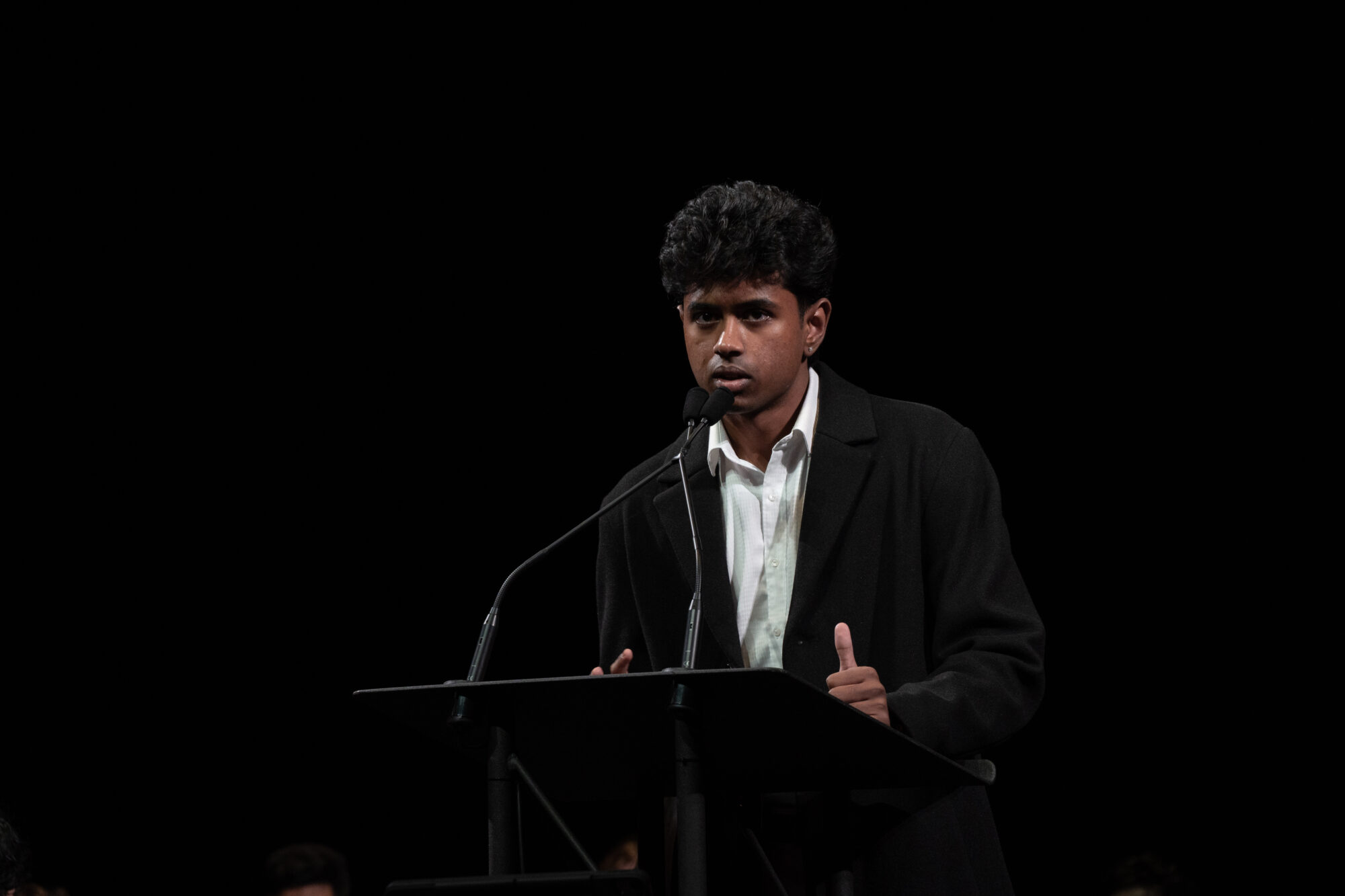
Janardhun Alagarsamy Vignesh, a third-year neuroscience honours student.
All three panellists agreed that Mojarrad has the strongest social media presence.
According to Kouadio, Mojarrad’s “social media presence is there, it’s visible, it’s cute, [and] there’s social engagement.”
“I haven’t seen the other [candidate’s] posters anywhere on campus. So then there’s a lack of social engagement,” she said.
Botros agreed that Mojarrad’s presence on social media is appealing and engaging to students.
“She’s in touch with the undergraduates and making sure that it is appealing to them,” she said.
According to Botros, she has heard about Alagarsamy Vignesh from word-of-mouth, and can see that he is someone who engages with people on campus. However, Khan, on the other hand, does not have any social media presence at all.
“I can’t really form an opinion on him, simply because I find no information about him and I think that … is something that speaks for itself,” she said.
Hollinger echoed an appreciation for Mojarrad’s social media presence, in comparison to the other candidates. However, she also found it interesting that none of the candidates have other online platforms. Most did not have linktrees.
“I think [Alagarsamy] Vignesh has been very consistent, [Mojarrad] very personable, and then [Khan] is the institution, to some extent,” Botros says
Hollinger said that throughout the forums, these candidates have blended together and no one really stands out. She also said that she was disappointed with the lack of consistent forum attendance from these candidates.
“Their presence isn’t consistent across all the forums, which can be kind of disappointing sometimes, [and] it’s hard to make for an equal debate among all three candidates when one or some are not there,” she said.
Botros noted that the candidates have taken different approaches throughout the forums.
“I think [Alagarsamy] Vignesh has been very consistent, [Mojarrad] very personable, and then [Khan] is the institution, to some extent,” she said.
According to Kouadio, Khan has given very political responses throughout the forums. In comparison, Mojarrad tries to make things work and “think differently” about various issues, while Alagarsamy Vignesh tries to “work within the system,” Kouadio said.
Khan “comes from the councillor perspective of getting things done,” Hollinger says
In terms of which candidate has the most realistic platform, all three panellists agreed on Khan.
Khan is “speaking the SU language already, [he’s] speaking to the U of A’s politics really well, so then it makes it easier for people to grab onto,” Kouadio said.
According to Botros, Khan “has that insight as to how the SU works and how [the Board of Governors (BoG)] works, and how to balance that line.”
Hollinger agreed and said that Khan “comes from the councilor perspective of getting things done.”
Who will win: two votes for Mojarrad, one vote for Khan
Who should win: two votes for Mojarrad, one vote for Alagarsamy Vignesh