 Richard Bagan
The University of Alberta charges premium rent for residence. What students often get instead is a crash course in lowered expectations.
The U of A promotes residence as a foundation for student success. It promises community, convenience, and support. In reality, residence often delivers high costs and limited value. Rising prices, aging buildings, and unresolved service issues undermine the experience. Compared to other Alberta universities, especially the University of Calgary, U of A residence falls short. These shortcomings matter even more for international students. Poor residence experiences threaten retention at a critical moment.
Residence costs at the U of A remain steep. For the 2024–25 academic year, a double room with a shared bathroom costs about $955 per month. A single room with a shared bathroom costs $1,235 per month. Suites and apartments range from $1,395 to $1,845 per month. Utilities and internet are included. Even so, prices sit near or above Edmonton market rents.
Off-campus housing costs less in many cases. Rental.ca reports the average one-bedroom apartment in Edmonton rents for about $1,404 per month. Bachelor suites average $1,098 per month. These prices exclude utilities and internet. The gap between residence and private rentals remains narrow. Mandatory meal plans widen it further.
Despite high demand for housing citywide, the U of A residence operates below capacity. About 4,000 students live in residence out of 5,200 available beds. That equals roughly 75 per cent occupancy. This gap does not reflect a lack of need. Students continue to struggle to find affordable housing near campus.
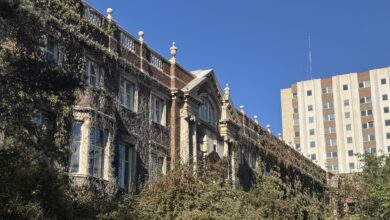
Instead, low occupancy reflects student skepticism. Many students simply do not see residence as worth the cost. Concerns about maintenance delays, pests, and cleanliness persist. These issues appear most often in older buildings like Lister Residence. In 2023, food hygiene complaints at Lister triggered inspections and action plans after the Students’ Council intervention. That situation damaged trust. It also highlighted weak oversight.
Living conditions affect more than comfort. They affect academic performance and mental health. Students who struggle with noise, hygiene, or maintenance lose time and focus. Residence should reduce stress. Instead, for some students, it adds to it. When basic living needs feel uncertain, coursework inevitably suffers.
Costs continue to rise despite these concerns. In January 2026, the Students’ Council learned the university plans to raise residence rates by four per cent. Meal plan rates will increase by five per cent. Residence Services did not attend the meeting. According to the vice-president (student life), Logan West, the unit has repeatedly declined invitations to explain the increases directly to Students’ Council.
Students asked whether the university had explored alternatives. They received no clear answers. Questions about boosting occupancy instead of raising rates went unresolved. This pattern frustrates student leaders. It reinforces the sense that decisions happen without accountability.
The university often justifies residence pricing through its financial structure. Residence Services operates as a self-funding unit. It runs on a roughly $49.5 million annual budget. Debt servicing alone consumes 27 per cent of that total. These explanations may satisfy internal accounting needs. They do not improve the student experience.
This structure creates perverse incentives. Residence Services must balance budgets first. Student satisfaction comes second. When costs rise, the easiest solution is to raise rates. Improving quality takes longer. It also requires meaningful consultation. That consultation often feels absent.
The U of C offers a useful comparison. Its 2025–26 residence rates are clearer and, in many cases, more competitive. A single suite without a meal plan costs about $10,219 for the academic year. A comparable single suite with a mandatory seven-day meal plan totals roughly $16,119. Other room-and-meal-plan combinations are closer to $14,500, depending on the building and configuration. These prices remain high. However, they reflect newer buildings and a more transparent cost breakdown.
At the U of A, students often pay similar or higher total amounts once rent and mandatory meal plans are combined, despite living in older residences with recurring maintenance and hygiene concerns. Not to mention, the market rates in Calgary are on average $200 higher than in Edmonton. That contrast sharpens student frustration. It also makes the U of A residence feel harder to justify.
Demand in Calgary remains high. Residence frequently reaches capacity. Students often face waitlists or must secure off-campus housing. This scarcity creates pressure. It also signals perceived value. Students compete for spots because residence offers a worthwhile experience.
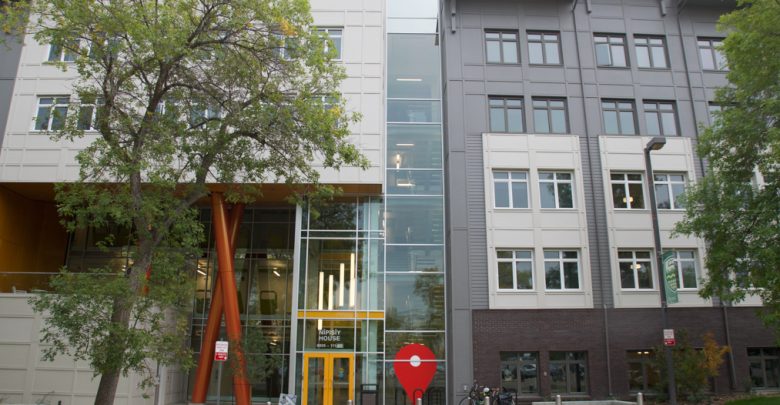
Price is not the only difference. Many U of C residence buildings are newer. The university markets residence as an integrated student experience. At the U of A, students often feel asked to pay more without seeing meaningful improvements. Rate adjustments have even lowered prices in newer buildings while raising them in older ones.
These problems carry serious implications for international students. International students rely heavily on residence in their first year. They face unfamiliar rental markets and limited local support. Residence often shapes their first impression of the university. When that experience involves high costs, maintenance issues, or food safety concerns, it damages confidence.
International students already shoulder extreme financial pressure. Undergraduate international tuition at the U of A can exceed over $30,000 per year. Residence costs stack directly on top of that burden. When a residence fails to deliver comfort and reliability, it sends a clear message. The university expects international students to pay more for less.
This perception spreads quickly. International students share experiences through family networks and online forums. Reputation matters in global recruitment. A poor residence experience can outweigh marketing campaigns or ranking improvements. Retention suffers long before administrators see enrolment declines.
The U of A has the tools to fix this. It has expanded residence capacity in recent years. It understands the link between housing and academic success. What it lacks is urgency. Treating residence as a revenue silo ignores its role in student outcomes.
Residence should guarantee safety, cleanliness, and value. It should not depend on luck or building assignment. Until pricing aligns with performance, dissatisfaction will persist. International students will notice first. Others will follow.
For a university that claims global ambition, this gap is costly. The U of A cannot afford to let its residence system undermine its students — or its future.