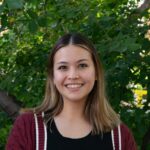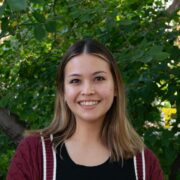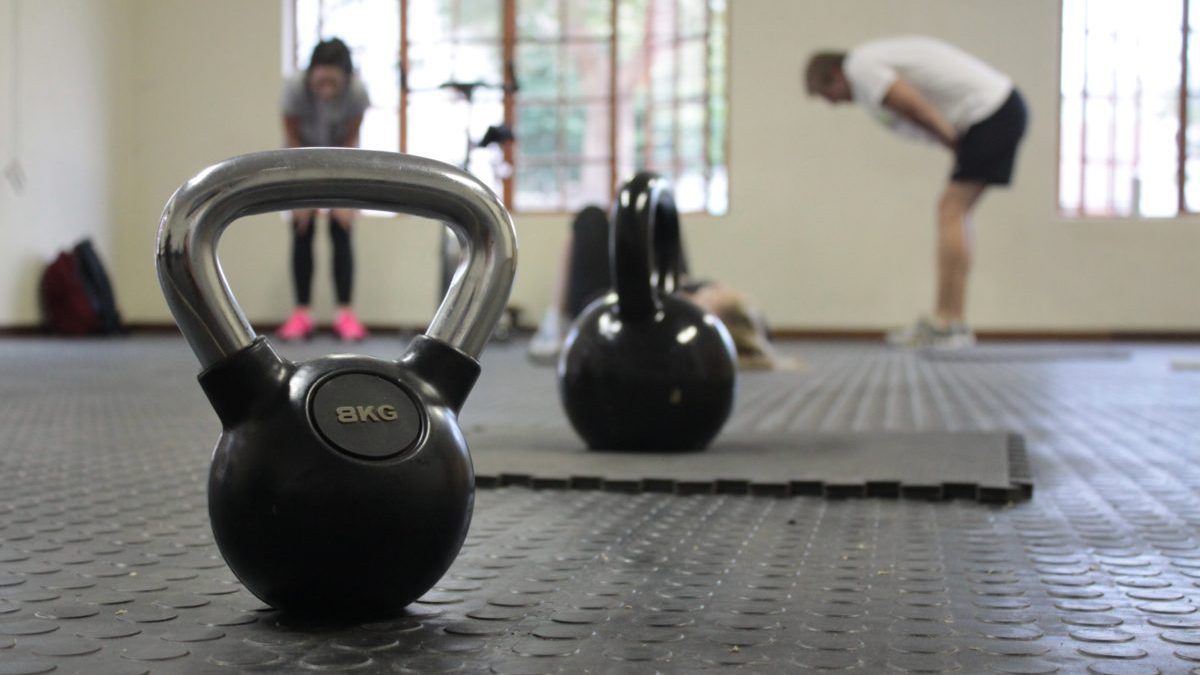
A new clinical trial led by University of Alberta PhD candidate Stephanie Ntoukas tests the benefits of heavy strength training for combating head and neck cancer side-effects.
Many head and neck cancer patients experience muscle atrophy and nerve damage after treatments, and some even have trouble swallowing, eating, and drinking. Due to challenges in accessing nutrition, these patients tend to lose body mass, Ntoukas explained.
“So I thought maximizing the strength with a purely strength training intervention may result in optimal improvements in strength and muscle mass.”
“If you don’t have muscle, you’re not able to be independent. You may not be able to return to your job. It’s hard to just do simple things in life if you don’t have a decent amount of muscle,” Ntoukas added.
The LIFTING 2 Trial, phase two of Ntoukas’ research, is testing a high intensity strength training program, which allows for assessment on improvements and benefits of heavy lifting for patients.
“When you have cancer, there is kind of [a] stereotype [that] you are fragile … and I hate that,” Ntoukas says
In addition to her research, Ntoukas relies on her personal experience as a head and neck cancer survivor and long time athlete to conduct this trial.
“When you have cancer, there is kind of [a] stereotype [that] you are fragile … and I hate that,” Ntoukas said.
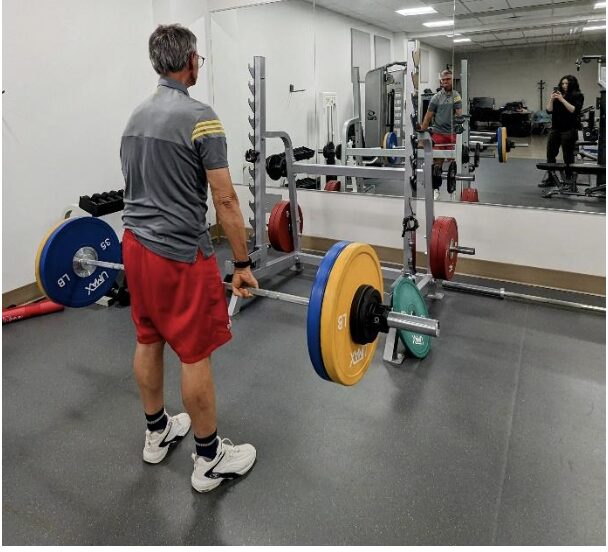
“I’ve always been active. I’ve always been involved in sports. I started powerlifting, and I noticed nobody has really tested strength training in this population. So I thought, yeah, I’m doing that,” Ntoukas added.
“[This study] builds a different type of connection. I still stay in touch with many of [the participants] after the study is over, and it benefit[s] [me] as well. Before I started my graduate studies, I never met anybody else who had head and neck cancer … so it was a new thing for me as well,” Ntoukas added.
The LIFTING 2 trial seeks to uncover the benefits of heavy lifting on a patient’s physical and mental health
Although this is an ongoing trial, some benefits to upper and lower body strength have been noted. This includes reduction in body fat percentage and improvement in ranges of motion for children.
“The intervention has made a huge difference in my life and ability to manage day to day
activities,” a participant said.
“I feel 1,000 times stronger both physically and mentally,” another participant said.
Overall, cancer survivors are reporting having a better quality of life and the capacity to perform daily activities better, according to Ntoukas.
“So they have a newfound ability that I don’t think they’ve ever been able to explore because they were not in the right environment to feel safe,” Ntoukas said.