Film Review: ‘A River Runs Through Us’
Small choices and big consequences: how informed practices means caring for more than just our water.

 Supplied
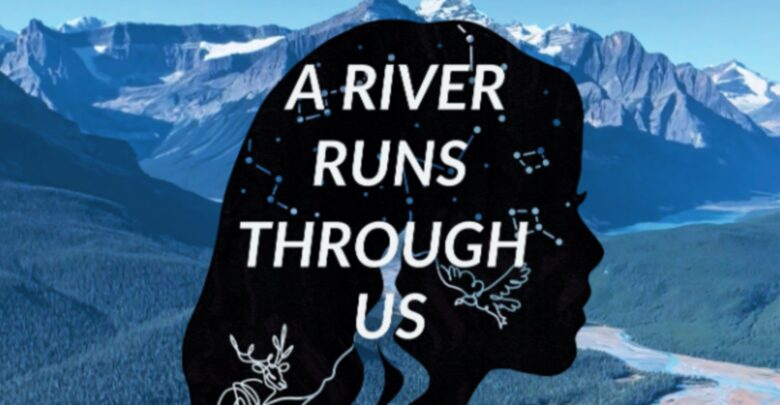
On November 19, Panoramic Media in collaboration with the North Saskatchewan Watershed Alliance (NSWA) and EPCOR, presented their film, A River Runs Through Us: A Story of the North Saskatchewan River at the Horowitz Theatre.
The film details how the North Saskatchewan River, first appearing over 15,000 years ago after the melting of the glaciers, had been shaped by the beaver and the buffalo. Their presence deeply influenced the landscapes we still admire today.
Later, it presents how settlers made this area their home, using the river for both travel and trade. However, as the city began experiencing rapid urbanization, the river was treated as a dumping site. This led to years of neglected waters. But in the 1970s, the river’s ecological importance was recognized. Since, they have been committed to working towards restoring and protecting it. Both for our water quality and the many species that rely on it.
Overall, I really enjoyed the documentary. The producers had successfully created a film that was not only informative, but also emotion provoking. Throughout the viewing I had learned things I didn’t know before. Like the various professionals and communities who are part of the process of protecting our waters. The efforts truly do not just fall on one individual or group of individuals alone. It’s a collective and continuous effort from all, including myself and the way I personally perceive the water’s importance.
The film itself was created beautifully. Drone footage captured the wonders of our landscapes, and close-up shots detailed the rock sentimentation caused by the changing water levels of the river. Viewers were truly able to realize the extent to which the river shapes our lives here in Edmonton throughout the film.
Using narration as the key storyteller, the film took us through seven parts. Each carefully introducing and explaining concepts about the river to help the viewer understand the extent of its importance. Notably, each of the seven parts was emphasised using different soundtracks. This helped to capture the emotionality of the documentary, as well as its immediacy.
I particularly enjoyed the interviews that were incorporated into the film. The interviewees, differing in occupation, hobby, and advocacy of the land, were interviewed throughout Edmonton’s river valley. And every scene showcased the wonders and diversity of our Edmonton parks. We were able to encounter each of the interviewees multiple times throughout the film, demonstrating the producers precision in editing, allowing for a cohesive flow between each of its separate parts.
Throughout the film, there was also a particularly great emphasis on protecting our watershed and the ecosystems that support our river’s quality. From learning the processes of our water treatment plants, to understanding how the small decisions we make in our own personal backyards contribute to the quality of our river was essential to the documentary’s main messaging.
At moments, however, the pacing of the film felt slow and repetitive. Many of the same concepts and ideas were discussed in very similar ways from one part to the next. And visuals were repeated on multiple occasions, ultimately making the documentary feel longer than its true runtime. Needless to say, I did not leave the theatre feeling underwhelmed in any regard. I left feeling a renewed sense of belonging. And not only to our river system, but also to my identity as an Edmontonian.
The call to action of the film was that we have a responsibility in protecting our watershed. This starts with the small decisions we make in our homes. And, it extends to our responsibility to continue re-educating ourselves when things inevitably change. After all, as quoted in the film, “we are all stewards of the land,” so long as we continue to care for our water.
This documentary truly did a great job at emphasizing connection through community, while also reiterating our duties as responsible citizens in protecting our waters. For more than just use, but for the ecosystems and species that depend on its quality for their own survival and flourishing!