No place for pride: Another town bans decorative flags
Another town has banned decorativeflads. This includes pride flags and crosswalks. Are we regressing as a society? It seems so.

 Tanya Barrow
Decorative crosswalks have been growing in popularity and occurrence in many cities around the world, but parts of Alberta don’t want to join in. Differing from the traditional crosswalks, these decorative designs honour social causes such as 2SLGBTQIA+, disability, and Indigenous pride. Similarly, more and more flags celebrating diversity have been lifted in town halls, parks, educational institutions, and other public spaces. These symbols gave many the hope that their society is advancing in terms of tolerance, respect, visibility, and awareness. Nonetheless, as diverse flags and crosswalks emerged, so did a reactionary backlash aiming to take them down.
Didsbury is the most recent town in Alberta to ban decorative crosswalks and flags from government lands. On March 25, Didsbury town councillors approved the “public spaces neutrality bylaw,” claiming to make municipal resources fair and accessible by banning alleged partisan symbols. As a result, crosswalks must now adopt the standardized marking, and only governmental flags are allowed to be lifted on public poles (a restriction that includes the Treaty 6 and the Royal Canadian Legion flags). The alleged neutrality envisioned here, however, is merely a rhetorical strategy.
This policy appeals to citizens who claim to feel excluded when other groups become visible and publicly recognized. Supporters of the bans often claim the symbols are divisive and grant an unfair privilege to certain groups based on ideological beliefs. A Didsbury citizen who wrote in a letter of support for the ban said that “[neutrality] is about ensuring that public spaces and municipal resources remain fair and accessible to all, without elevating one perspective over another.” Moreover, they added that “public spaces should remain neutral, without favouritism, so all residents are viewed, represented, and treated equally.” To address this and similar concerns, the ban effectively enacts a symbolic attack on hard-earned victories of groups that have long been fighting for equity and inclusion.
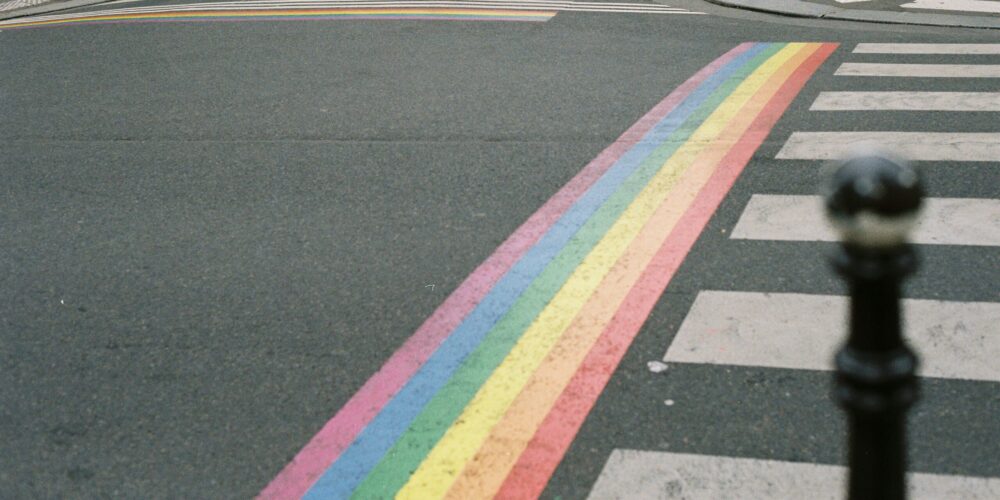
One of the most visible is the rainbow-crossing artwork. The struggle for acceptance, visibility, and improved legislation for the 2SLGBTQIA+ movement extends for times immemorial. Since the end of the 20th century, the rainbow colours and iconography have become an unifying symbol of the cause. More recently, cities worldwide have been incorporating rainbow visuals. They are being shown in places like streets to celebrate the history and achievements of the 2SLGBTQIA+ rights movement. These colourful crosswalks carry an important meaning for this community. So, taking them away feels like a step in the wrong direction. This is especially true for a community that has been historically repressed and marginalized.
Since their emergence, rainbow crossings have faced opposition from intolerant groups in society. There are multiple records of defacement and vandalism, often conveying messages of queerphobia and hate. One striking case happened in Spruce Grove, Alberta, when a severed pig head was left on a rainbow crosswalk. More recently, this trend that opposes 2SLGBTQIA+ visibility gained political and legislative support. In Alberta, Westlock was the first city to ban Pride crosswalks after a public referendum in 2024. Barrhead followed, and Didsbury joined the movement in 2026.
When towns like Didsbury ban Pride symbols, such as crosswalks and flags, they send a clear and dangerous message to their 2SLGBTQIA+ residents: your identity, history, and struggle are now considered too political and divisive for public space and must be concealed in private spaces. This codified exclusion is disguised in the language of neutrality and non-partisanship. Still, it effectively appeals to a demographic with clear political views: radical conservatives, reactionaries, and hate-fueled groups. Cities that erase their symbols of diversity are taking a disquieting stance against tolerance, diversity, and human rights.