 Digitale.de
Dealing with a chronic illness such as sickle cell disease (SCD) is something no student should have to balance with school. But at the University of Alberta, this is a reality for some students. For students living with SCD, there’s an added layer of strain beyond schoolwork. Many also have to manage hospital visits, pain, and the uncertainty that comes with a chronic illness.
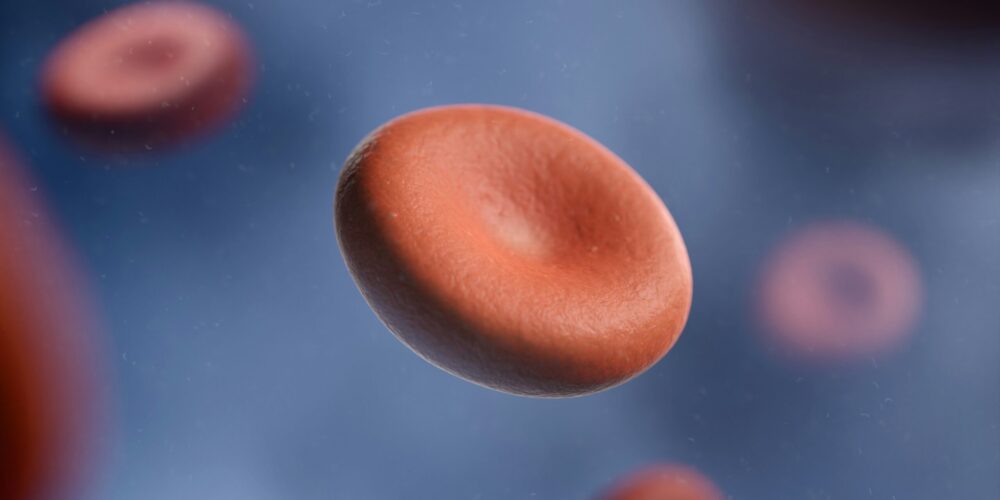
SCD is a genetic blood disorder that causes red blood cells to become rigid and crescent-shaped. This makes it harder for them to move through blood vessels, leading to blocked blood flow, reduced oxygen delivery, and episodes of severe pain known as pain crises. These crises can be sudden and severely debilitating, with recovery taking anywhere from a couple days to weeks.
Through my work with NotJustYou, an SCD organization, including the CELLS support group program, I’ve heard from students and other adults how these challenges extend far beyond what’s visible in the classroom.
During pain crises, it can be difficult to attend classes or meet deadlines. Students have to manage classwork while recovering from pain, fatigue, or hospitalization. Many live with anxiety about when their next pain crisis will occur, making it immensely difficult to fully focus on their studies or plan ahead. Uncertainty often shapes decisions around course loads, clinical placements, and even career planning.
Maintaining a social life also becomes challenging and can lead to isolation and a sense of falling behind both academically and socially.
Forcing these students to navigate university with a chronic, unpredictable condition in this way is unfathomable for most. So, introducing systems that accommodate those with chronic illness is of the utmost importance.
University support systems often fail to reflect the episodic nature of SCD. Academic accommodations tend to be rigid and require students to repeatedly prove their illness and advocate for themselves during already difficult periods. A lack of faculty awareness can lead to misunderstanding about the severity and variability of the condition, placing additional pressure on the students to justify their needs. While these systems may work for short-term illness, they fall short for chronic conditions that do not follow a predictable pattern. This places an unfair burden on students to adapt to the system when the system should be adapting to them.
Inequities within the health-care system then compound these issues for students. According to the World Health Organization (WHO), SCD disproportionately affects individuals of sub-Saharan African descent and other malaria-endemic regions. Yet, patients with these backgrounds report having their pain dismissed or undertreated, reflecting a broader pattern of systemic racialized bias. Negative health-care experiences can prolong recovery and make it even more difficult for students to smoothly return to their academic responsibilities.
While juggling both physical health and academic demands, academic success is harder than it should be for these students.
This is ultimately an issue of equity. As SCD becomes more common in Canada, there’s a widening gap between what students need and what current systems actually provide. Without real change, universities risk continuing to reinforce barriers for students who are already marginalized.
Addressing this means more than just recognizing the problem. University systems need to increase awareness of SCD now more than ever. Better equipping faculty to support those with chronic illness is a good starting point. But, there also needs to be flexible and proactive accommodations. These policies need to be shaped by students’ lived experiences. Initiatives like Bill S-201 show that progress is happening at a national level, but that same momentum needs to reach campuses.
Real change starts when we stop expecting students to adapt to systems that were never designed to support them. Instead, we should build systems that adapt to students’ needs by increasing awareness, implementing flexible policies, equipping faculty, and centring lived experiences. Until that happens, students living with SCD will remain excluded from equitable access to education.