‘Stolen Time’ shows abuses in for-profit long-term care corporations
Helene Klodawsky’s new documentary 'Stolen Time' shows how Canada does have some private health care, and the nightmares involved with it.

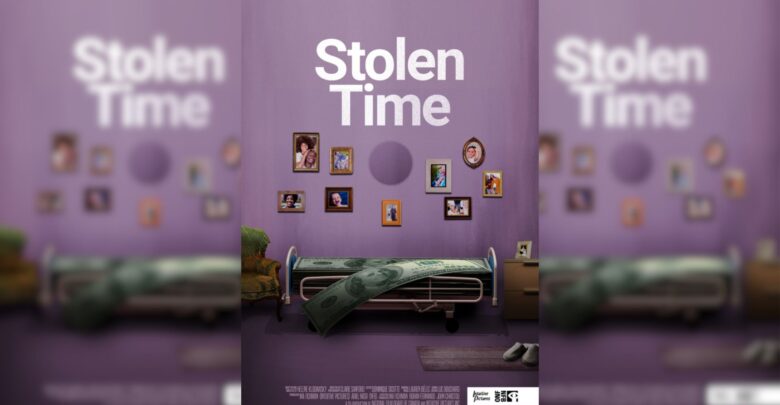 Supplied
New documentary by Helene Klodawsky, Stolen Time, follows Ontario lawyer Melissa Miller as she battles against for-profit long-term care corporations over cases of abuse and neglect. The documentary doesn’t hold back, and it shows how extreme some of the harrowing cases Miller is working on really are, as well as how the families are affected.
Klodawsky never expected to be making a film about long-term care, she said. But after seeing Miller on social media, she reached out. “I was so inspired by the righteousness of her fight. It really is a David and Goliath story,” Klodawsky said. “I’ve been a filmmaker for over 40 years, and it’s the universe that sends you subject matter. This was the case with Stolen Time.”
In the video of Miller that Klodawsky had seen, Miller was at a conference denouncing for-profit long-term care corporations. “I had never heard someone speak about it in terms of the families and the corporate presence. As Canadians, I think we tend to naively think that we have a great medical system. Of course it needs fixing, but basically that it takes care of its people. But that’s not really the case. Especially when it comes to for-profit care,” Klodawsky explained.
“There’s a lot of shock and horror,” Klodawsky says
When Klodawsky began working on the film, she said that while she had some idea of the issues within long-term for-profit care, she didn’t realize how severe the neglect and abuse actually was. Or, how common it was. Klodawsky said in her time with Miller, she saw cases pile up on her desk. It wasn’t uncommon for her to receive multiple calls a day from families looking for help.
“There’s a lot of shock and horror,” she said. “The families really have tried everything to make their loved ones’ situations okay, and are continuously shocked and surprised about this lack of care.” One example in the film is a woman who found her mother had a hole in her lower back. It left her tailbone visible, leading to a bone infection. The injury was due to neglect.
While the film takes place in Ottawa, this issue isn’t isolated there. Miller has represented folks from other provinces, including Alberta. “There’s a lot of cases in [British Columbia] (B.C.) and Alberta. As a result of the film, the private investigator, [Brett Rigby], even had to open offices across the country,” she said. In the film, Rigby helps Miller by gathering evidence of neglect and abuse.
Klodawsky added that many of the people who approach Miller for help do not want money. “I really believe that [they want] to call attention to the crisis in long-term care. [They] want to make the situation better for future generations. It comes from a place of wanting to call for justice in the name of their loved ones,” she said.
“I really hope that, as Canadians, we can hang onto our ideals of socialized medicine, and include that for older people,” Klodawsky says
This is seen when Miller is on the phone with a client, who says they don’t want money. But Miller tells him that she can’t sue for compliance. “[Miller] says herself that, unfortunately, she can only try and punish her adversaries through the question of money,” Klodawsky said.
However, when a long-term care corporation does have to pay for damages of any kind, it isn’t actually the corporation that pays. It’s whoever insures them. But this still can have an effect on the long-term care corporations. What they hope for, Klodawsky said, is “for the insurance companies to come down strongly on these businesses and get them to improve conditions.”
“I know it’s such a complicated and troublesome world right now,” Klodawsky said. “But I really hope that, as Canadians, we can hang onto our ideals of socialized medicine, and include that for older people.”
The film is also intended to inspire those who want to speak out. “The film really is a very inspiring look at a very charismatic social justice activist and advocate,” she said. “For anyone in law and activism, or anyone who is looking to make the world a bit more human, I think this is a film that can be really inspiring.”
For those who want to help the situation, Klodawsky said that they can help by “listening, learning, and being aware that we have this whole for-profit health-care industry in our country.”