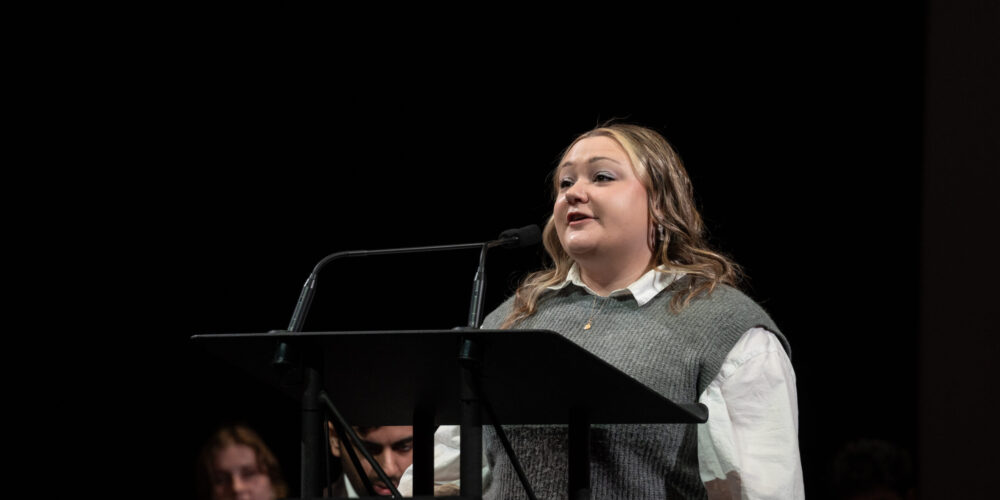
 Leah Hennig
For many people, dialysis is life sustaining treatment. What is talked about far less is the emotional toll that can come with it.
At the University of Alberta, researcher Kara Schick-Makaroff and patient partner Jeff Costley are working to change that.
When asked why mental health has historically been treated as secondary to kidney care, Costley pointed to something simple.
“I think it’s a lack of training and awareness,” he said. “The nurses and doctors just haven’t been taught this.”
Schick-Makaroff agreed, but said the issue runs deeper. She noted that stigma around mental health continues to shape how care is delivered.
“Aspects of mental health can be very stigmatizing,” she said. “All of us are impacted by stigma and unconscious bias.”
She also pointed to how the health-care system itself is structured. Patients often move between specialties for different conditions.
“You go here for cardiac, and you go here for dialysis. You go here for mental health,” she said. “We talk about treating the whole person, but our health-care system is divided into parts.”
Researching kidney treatment in relation to mental health care
Her research program began in 2007 with people receiving dialysis. Early on, she heard about what she calls the “unsayable” aspects of care, the things people were living with but struggling to address openly.
“Living with dialysis is really challenging,” she said. “What better goal than to support people’s quality of life while living with a treatment that’s this challenging?”
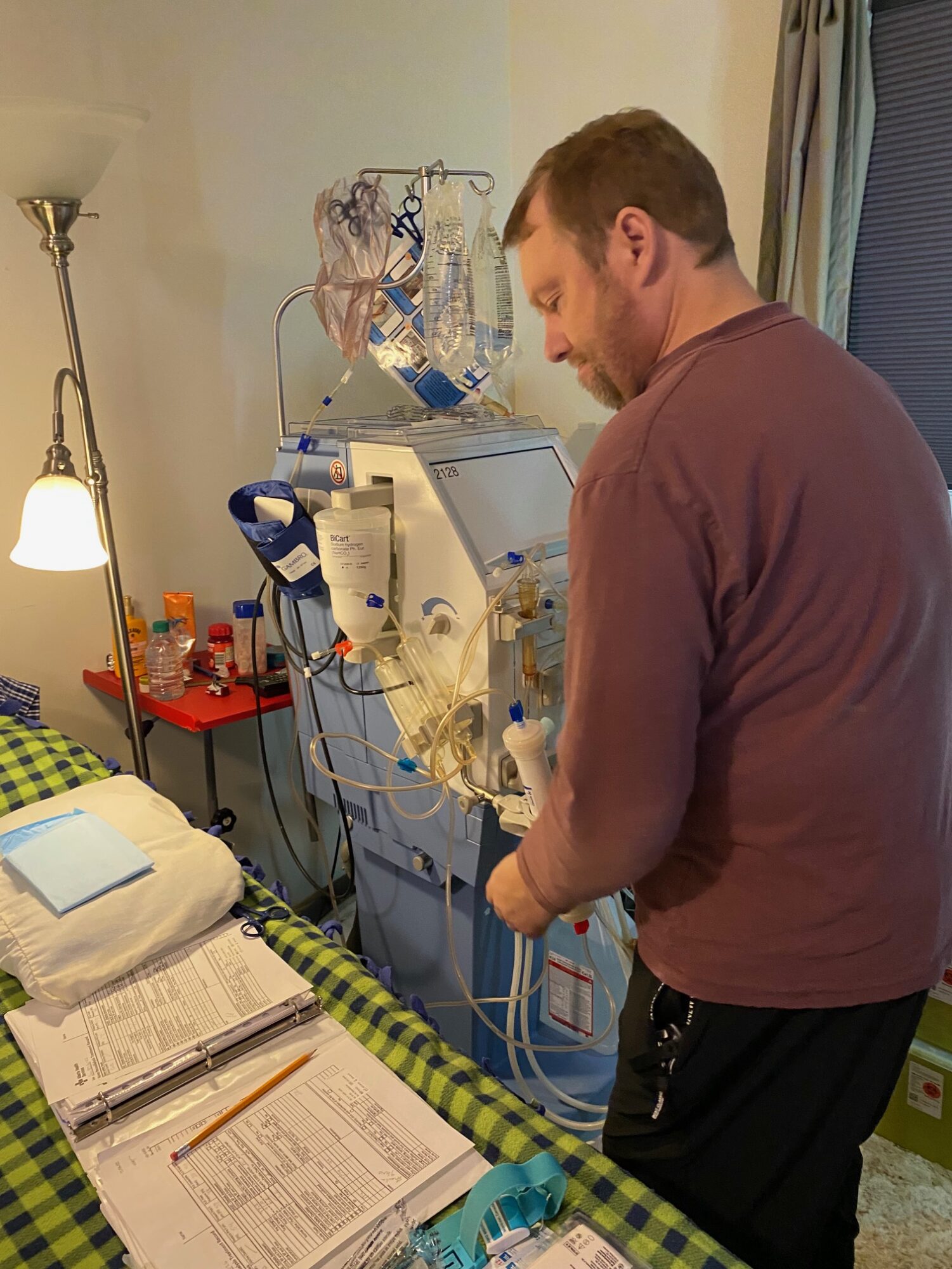
In a project she led alongside Costley and others, patients receiving home dialysis told them that emotional well-being was being ignored. Clinicians echoed that concern.
“When that comes up, we don’t know what to do,” she said, describing what providers told the team.
“Who can best guide you in the language that is accessible except the people who are living it?” Schick-Makaroff said.
Through a community advisory committee made up of people with lived experience, patients reviewed wording, structure, and messaging. The group strongly advised against using clinical labels like depression and anxiety.
“We could not use stigmatizing words like depression and anxiety,” she said. “As soon as you start using that language, you immediately put a block up.”
Instead, the team focused on terms like struggles, stress, coping, and adjusting. The goal was to lower barriers and make the resource feel relatable.
“This patient-facing version of this pathway was created by patients, for patients,” Schick-Makaroff says
Costley emphasized the importance of plain language.
“We’re not doctors,” he said. “To use common language, I guess, will it help us?”
The pathway is now available through Alberta Health Services, a milestone Schick-Makaroff describes as remarkable given that the project was not originally funded.
“This patient-facing version of this pathway was created by patients, for patients,” she said. “That’s the most powerful thing.”
Costley’s involvement is personal. In earlier interviews, he described experiencing a moment when things emotionally “crashed.” Finding the right support took time.
“It took some searching,” he said. “I was lucky enough to find someone that I connected with.”
Part of what made that connection different was medication. Prescribing mental health medication for someone on dialysis can be complex because the body processes drugs differently when blood is being filtered regularly. Not all providers feel comfortable navigating that.
Schick-Makaroff said her team worked with pharmacists across Alberta to develop guidance on prescribing in dialysis, publishing what she believes to be the first review of its kind internationally.
Still, stigma remains a barrier. Schick-Makaroff said many patients worry that asking for help could lead to judgment or even affect transplant eligibility.
“We live in a culture where independence is considered to be very noble,” she said. “If I ask for help, a judgment will be made of me, and it might not be a good one.”
Researcher highlights the importance of relationships in navigating dialysis
Her message to anyone struggling silently is clear.
“There’s a better way than handling it on your own,” she said. “If you are willing to ask, it will get better. And we’re going to walk alongside you until it does.”
Costley echoed the need for shared responsibility.
“It’s important that everybody cares,” he said. “There’s work to be done, and you can’t wait for somebody else to do it.”
For both of them, the work is about more than producing a resource. It is about changing how care is understood.
“We are a team,” Schick-Makaroff said. “It’s relational. It’s about relationships.”
And for patients navigating dialysis, those relationships may be just as critical as the treatment itself.