Book Review: ‘The Art of Getting Lost and Found’ by Glenna Turnbull
A story of survival and self-determination across generations of women and their experience with domestic violence.

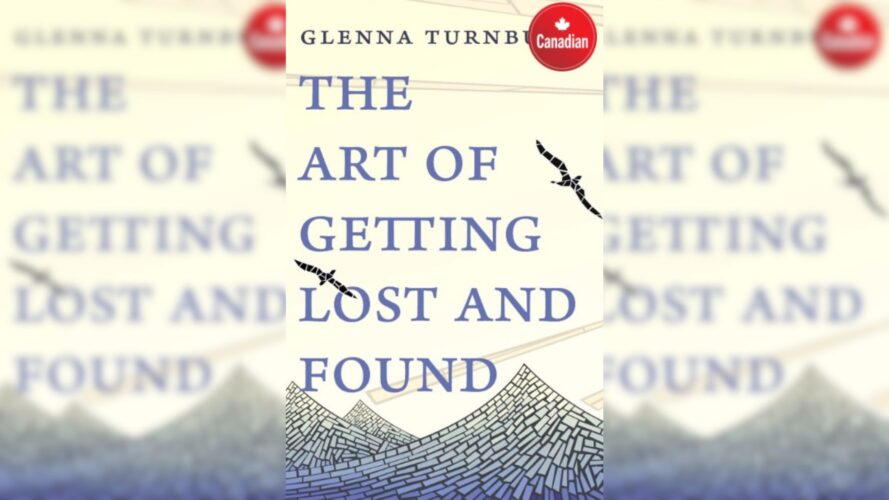 Supplied
Trigger warning: This article discusses topics related to domestic abuse, which some readers may find upsetting. Resources are available at the end of this article.
Debut novelist Glenna Turnbull’s The Art of Getting Lost and Found is a story that extends beyond its fictional narrative. It is a story of generational hardship and survival. It brings readers into the vulnerabilities of navigating strained mental health, and the isolation of domestic turmoil.
The story follows Maggie throughout her journey in Newfoundland as she sets out to rediscover herself. Simultaneously, it follows the life of Sally a century prior, as she struggles to find freedom from her abusive husband. Both Maggie and Sally find guidance in the landscapes of Newfoundland but in ways that differ from the other.
Maggie, having been diagnosed with Borderline Personality Disorder (BPD) and losing custody of her children after a divorce from a manipulative husband, decides to leave her home in Kelowna. She goes on to travel east to the province where her mother had grown up. Tired of feeling numb, Maggie leaves her medications behind and leans into trusting her gut, which doesn’t come easy. This was more than a trip to fulfill her mother’s dying wish. It was a trip of renewal, and of connecting to her roots.
Sally, known as Shorty for most of the read, lives in a small home with her children and her husband, Lorne. She counts the days until he’s off again for another lobster trip so that she and her children can spend time reading without the feeling of fright lurking over their shoulders. When Lorne is home, tension and conflict is inevitable.
Sally has spent her time as a wife at the whims of her husband. Specifically, at the whims of his abuse. No longer able to tolerate his distasteful behaviour, she plans an escape. But, with much to prepare for, and the uncertainty of the August weather, Sally finds it difficult to get away.
Undoubtedly, this was a very heavy read. Conversations about domestic violence are never easy to have, nor should they be. But I believe this novel presents as an avenue for such a conversation to be had. Moving between the lives of both Maggie and Sally allowed for a connection between generations, while at the same time demonstrating the ways in which domestic violence has changed over time.
Maggie, a single mother and artist in 2017, has more freedoms and networks of support than Sally had in 1887. But, Turnbull is not shy in showcasing the perpetuating stigma associated with mental health difficulties, especially when experienced by mothers. She discusses the consequences of both masking and emotional withdrawal associated with mood stabilizing medications. This is something I felt brought an interesting perspective to the broader conversation around mental well-being.
Unfortunately, at times the story’s narrative felt disjointed and abrupt. Being written in first-person present tense, I felt as though there was an excessive use of expositional monologue that ultimately took away from the immediacy of each chapter. The narrative pace picked up only after I was more than halfway through the book. This made the climactic build feel stagnant and overly stretched.
Nonetheless, I enjoyed how Turnbull quietly placed moments of connection between Maggie and Sally; sometimes by ending one chapter with similar dialogue to open the next. Or having Maggie visit places in Newfoundland, like Gros Morne, that held strong significance to Sally and her own history. I think this story creatively captures the specialness of one’s maternal lineage, especially in a world that is rather heavily focused on one’s patriarchal past.
In reading this novel, I think of my mom and of her mom. I think of my grandmothers and the mothers before them, because their histories are mine no matter how much is forgotten. Their strength, courage, and resilience is why I am able to write on a piece like this today. Unafraid to use my words to continue this conversation ignited by Turnbull through the publication of this novel.
If you or someone you know is experiencing domestic violence, you can call Alberta abuse helpline at 1-855-443-5722 or call or text the family violence infoline at 310-1818. Online resources are available online here.