 Andrea Palacios
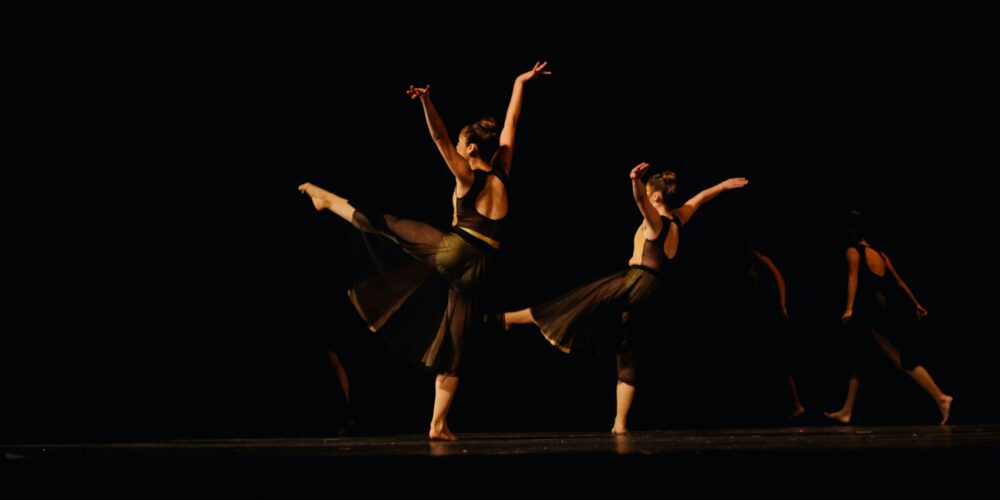
For Ben Sereda, a PhD candidate in sports psychology in the faculty of kinesiology, sport, and recreation (KSR) at the University of Alberta, the interest in studying stress and coping among competitive dancers began close to home. Watching his sister compete at a high level sparked his curiosity about what dancers experience beyond what audiences see on stage.
While stress and coping have been widely studied in traditional sports, dance has not received the same level of academic attention. Sereda and his team wanted to better understand the unique context dancers operate within so that future resources and supports could reflect their lived realities rather than relying on models designed for other athletic environments.
One of the key findings from their research is that stress intensifies as the competitive season progresses. It is not only about stepping onto the stage to perform. Instead, pressure builds gradually over time.
“It definitely changed throughout the season in that it typically got more intense stress wise,” Sereda said.
Sereda describes this process as “adding more to an already filled basket.” As competitions approach, rehearsal demands increase, expectations grow, and routines are refined under greater scrutiny. At the same time, many dancers are balancing academic responsibilities and other commitments outside of training. For those representing their country on the world stage, the emotional and psychological stakes are even higher.
Despite the mounting demands, Sereda found that dancers were generally effective at managing them. Even as stressors became amplified throughout the season, participants demonstrated the ability to cope with increasing pressure. That effectiveness does not mean the stress disappears. Rather, it reflects the ongoing effort required to maintain performance while navigating growing expectations.
“When you are working in a group environment, you have the opportunity for social support,” Sereda says
The group environment emerged as an important factor in how dancers cope. In team-based settings, dancers are surrounded by others who understand the intensity of their schedules and the pressure of competition.
“When you are working in a group environment, you have the opportunity for social support,” Sereda said.
Teammates not only share the same training demands, but also the same emotional highs and lows. According to Sereda, dancers were not only comfortable receiving support from one another but also expressed a strong desire to provide it. This reciprocal dynamic contributes to a socially connected team environment where members actively look out for one another.
Teams that both seek and offer support tend to be better positioned to cope collectively with stress.
At the same time, the research highlights the prevalence of dancers pushing through no matter what in high performance settings. This mentality is often linked to ideas of mental toughness and competitive success. However, Sereda notes that there can be confusion between pushing through discomfort and addressing legitimate concerns related to mental health or overall well being.
Allowing space for psychological and physical recovery, he explained, ultimately places individuals in a stronger position to manage demands and perform to their potential.
When leaders such as instructors, coaches, or supervisors make it clear that individuals are “not going to be negatively affected or viewed because they are taking breaks,” it helps foster a healthier performance culture, Sereda said.
Sereda and his team were also mindful of the busy lives dancers lead while conducting their research. Recognizing that participants are not only athletes but also students with demanding schedules, the team aimed to connect with them in ways that did not add further strain to already full plates.